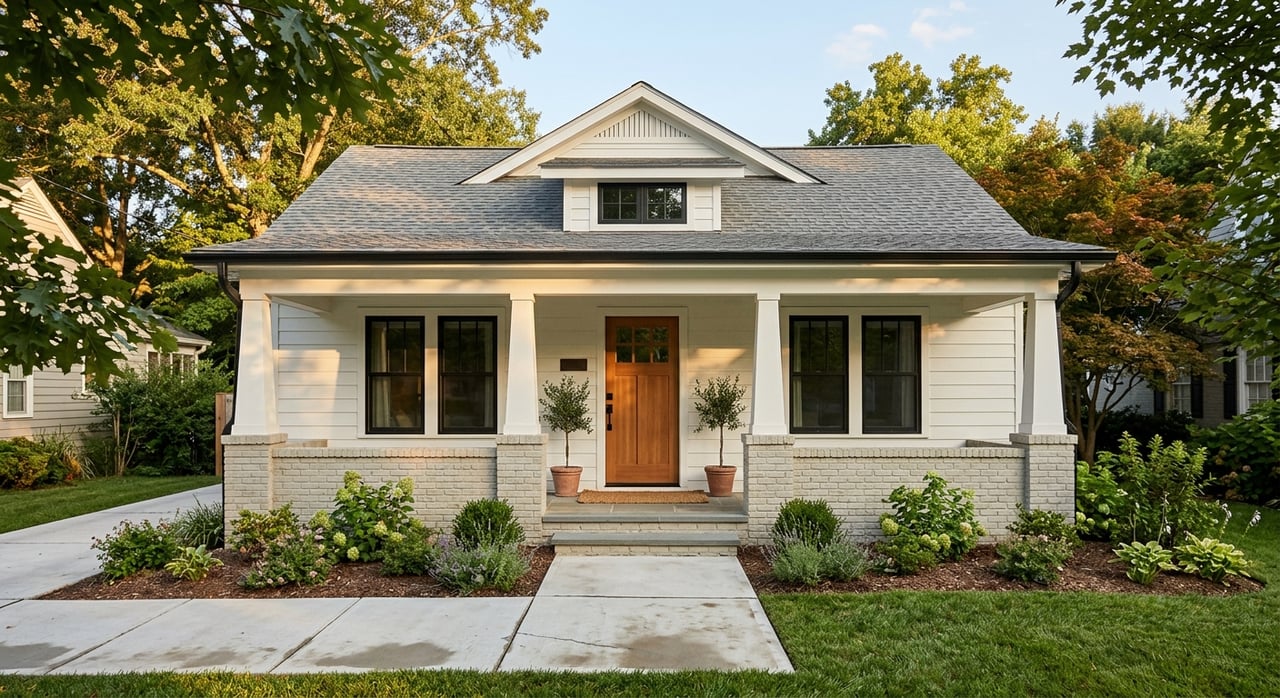
Choosing between a Heights bungalow and a new build is not just about old versus new. In Greater Heights, that decision also shapes how you live on the lot, how much exterior stewardship you may take on, and how closely your home connects to the area’s historic streetscape. If you want to make a confident choice in one of Houston’s most distinctive inner-Loop neighborhoods, this guide will help you weigh the tradeoffs clearly. Let’s dive in.
Why this choice feels bigger in Greater Heights
Greater Heights is Houston Super Neighborhood 15, centered on Houston Heights inside the 610 Loop. The City of Houston identifies Houston Heights as the city’s first master-planned community, founded in 1891, with historic development patterns that still influence the neighborhood today.
That history matters because Greater Heights is not uniform. According to the city, eastern sections were generally developed in the 1920s and 1930s, while western areas saw more development from the 1930s into the 1950s. Today, some parts are seeing rehabilitation of older homes, while others are being redeveloped into denser urban forms.
That means your choice is rarely just architectural. Depending on the block, you may also be choosing a different level of preservation oversight, site-planning constraints, and neighborhood context.
How Greater Heights development works
One of the most important local details is that Houston does not use zoning in the conventional sense. Instead, development is shaped by ordinance codes, subdivision plats, setbacks, parking and landscaping rules, and site plan review.
For you as a buyer, that creates a more block-by-block decision process. A bungalow on one street and a new build a few blocks away may come with very different expectations for setbacks, parking placement, exterior changes, and overall compatibility with surrounding homes.
What a Heights bungalow usually offers
A Heights bungalow often appeals to buyers who want a home that feels rooted in the neighborhood’s original fabric. In the City of Houston’s Heights design profiles, common historic home styles include Queen Anne, Craftsman, Folk National, and Folk Victorian, with bungalows known for low-pitched roofs, wide eaves, strong front porches, and a compact horizontal form.
Inside, the feel is often intimate rather than formal. Craftsman bungalow traditions tend to reduce hallways and use abundant windows, which can make the space feel connected, open, and warm even when the footprint is modest.
Many historic Heights homes also have large windows and pier-and-beam foundations. Those features can be a meaningful part of the home’s character, especially if you value original texture and a house that reads as part of the neighborhood’s earliest development.
Bungalow setting and lot pattern
In the Heights historic districts, the lot relationship is part of the home’s appeal. City guidance notes typical front setbacks of about 15 to 25 feet, side setbacks that historically tend to be around 10 to 12 feet, and garages or carports generally placed in the rear half of the lot.
This creates a specific street rhythm. Front porches are not just decorative. They are one of the defining features of the Heights setting and help shape the way homes relate to the sidewalk and street.
Bungalow tradeoffs to consider
The biggest tradeoff is usually maintenance and exterior stewardship. In historic districts, exterior work is often subject to review and may require a Certificate of Appropriateness.
City guidance emphasizes preserving character-defining elements such as porches, windows, doors, rooflines, siding, and craftsmanship. The Houston Heights Association also advises owners to preserve original exterior materials and repair before replacing when feasible.
If you love historic homes, that may feel worthwhile. If you prefer simpler decision-making for future exterior changes, it is an important factor to weigh before you buy.
What a Heights new build usually offers
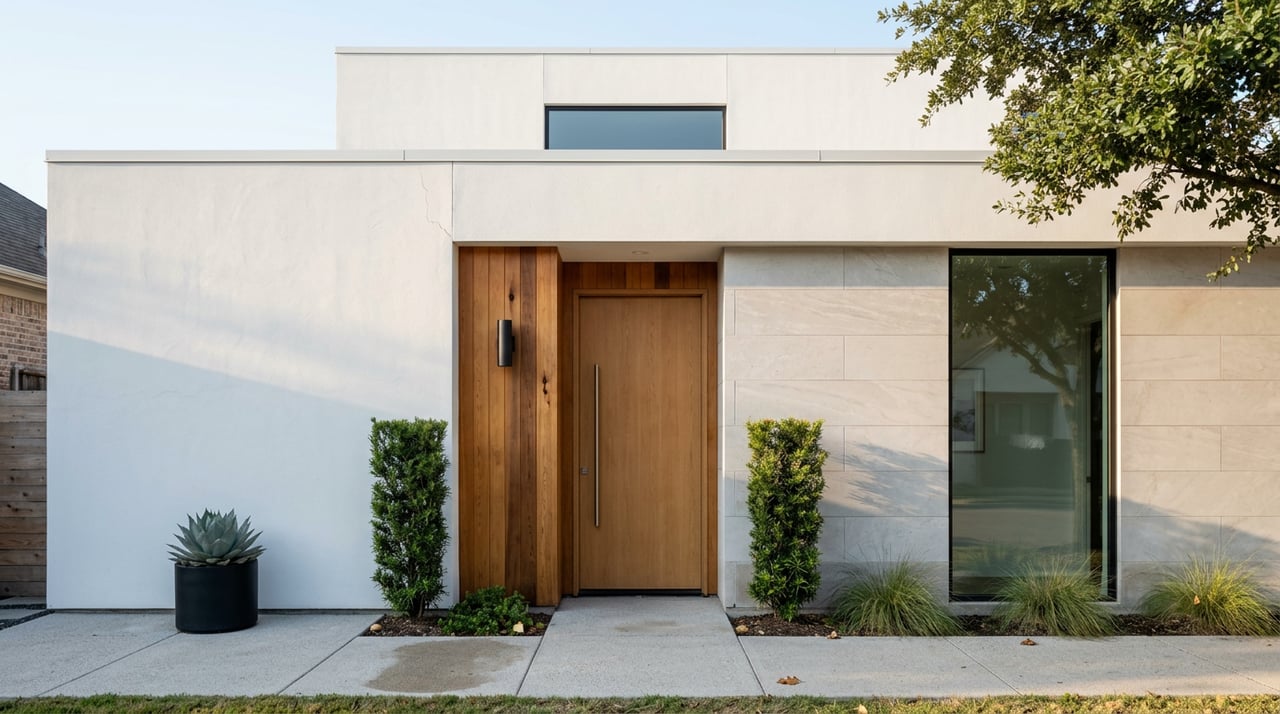
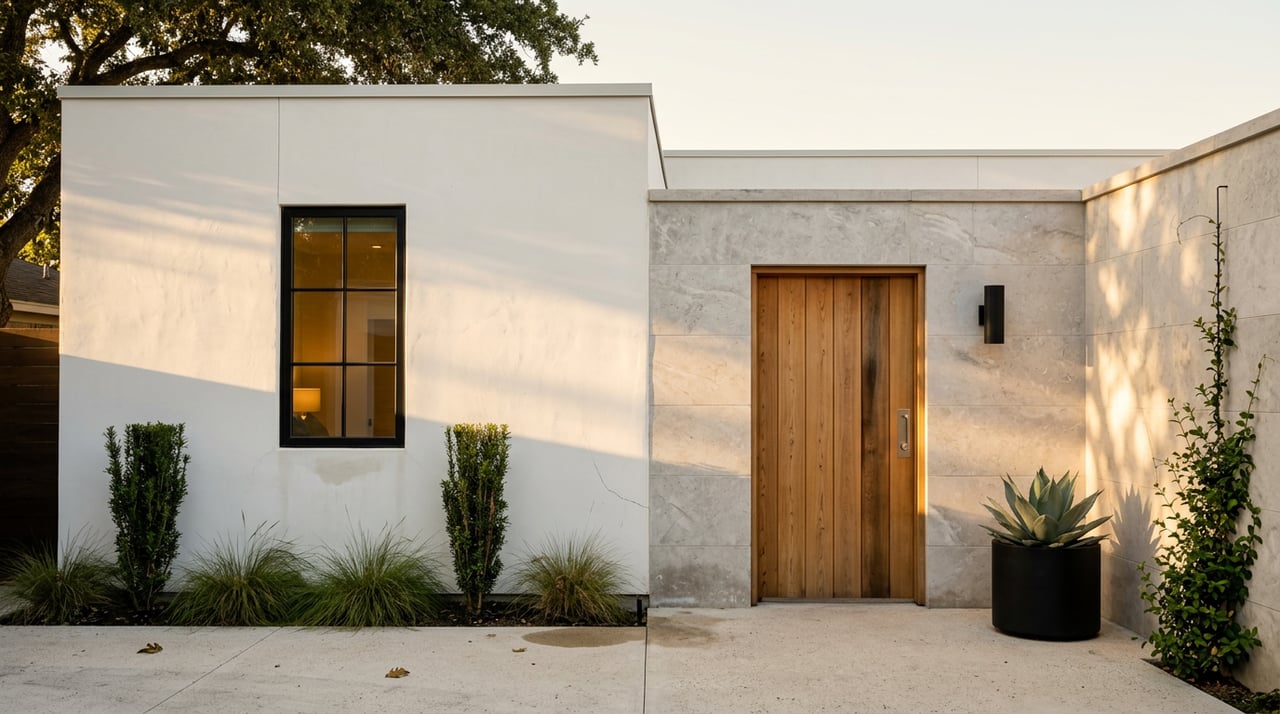
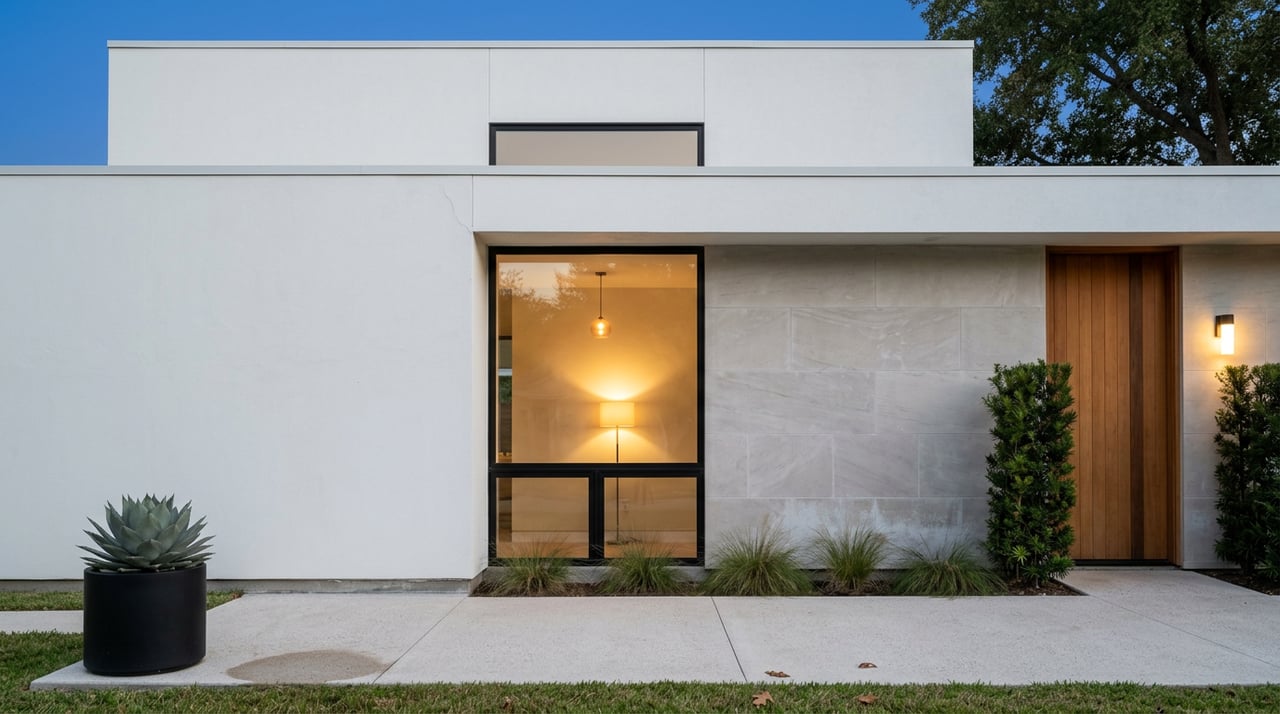
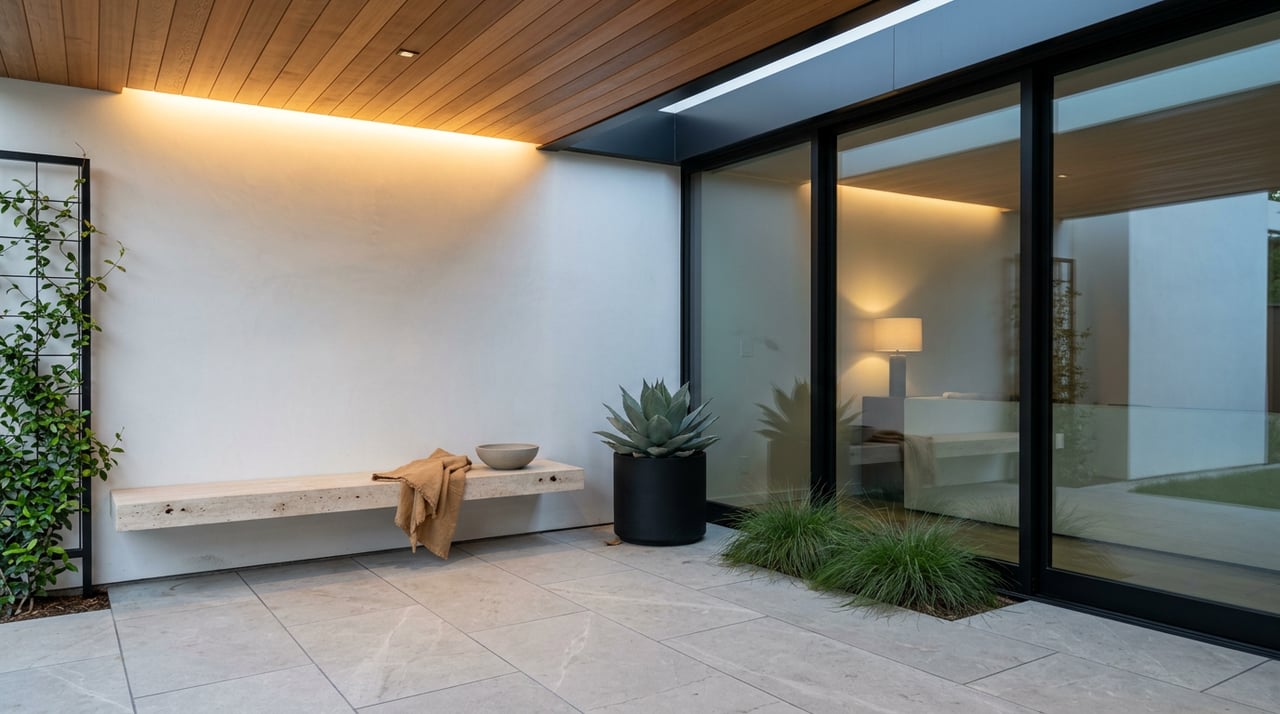
A new build in Greater Heights often appeals to buyers who want a more current home experience while still living in a neighborhood with strong identity. The City of Houston’s historic district guidance makes clear that new construction does not need to imitate older homes.
Instead, the goal is compatibility. The city encourages contemporary design when it relates to its surroundings through massing, scale, form, proportion, siting, and materials.
That is a key distinction in Greater Heights. A modern home can fit well here, but it still needs to respond to the context around it, especially in protected historic areas.
New build design in historic contexts
In historic districts, new construction is not a blank slate. City guidance says attached garages and front parking pads are not compatible with the traditional Heights setting, while detached garages in the rear half of the lot are the norm.
The city also notes that one- and two-story forms are compatible, while three-or-more-story forms are not. So even if a new build has a contemporary look, it may still need to respect the neighborhood’s established scale and building relationship to the street.
New build advantages to weigh
For many buyers, the main draw is a cleaner, more current interior and exterior experience. Across Greater Heights, newer homes are part of a broader reinvestment pattern, with some pockets redeveloping into denser urban forms.
In practical terms, a new build may be a better fit if you want a home that feels more modern in form and finish. The tradeoff is usually less period character and, in some areas, a lot pattern or streetscape that feels less historically layered.
Bungalow vs new build at a glance
If you are comparing both options, these are often the practical differences that matter most:
| Factor | Heights Bungalow | Heights New Build |
|---|---|---|
| Overall feel | Historic, intimate, character-rich | Current, clean, more contemporary |
| Streetscape relationship | Strong front porch presence and traditional lot rhythm | Can fit well, but must be compatible with context |
| Exterior changes | Often more sensitive, especially in historic districts | May still face design expectations in protected areas |
| Garage placement | Typically rear-half lot placement | Often expected to follow the same pattern in historic districts |
| Architectural identity | Closely tied to Heights history | Modern expression within Heights context |
| Best fit for | Buyers who value original texture and atmosphere | Buyers who want a more current home experience |
Questions to ask before you choose
The right answer usually becomes clearer when you focus on how you want to live, not just what looks best in photos. A few questions can quickly narrow the field.
How much exterior work will you want later?
If you expect to update porches, siding, windows, doors, or rooflines over time, make sure you understand the property’s context first. In a designated historic district, those changes may involve review and a more preservation-minded approach.
If you prefer fewer exterior unknowns, a newer home may feel more straightforward. That does not mean unrestricted, but it may align better with a lower-maintenance mindset.
Do you want porch life or a more contemporary site plan?
A bungalow often offers the classic Heights relationship between house, porch, and street. If that front-porch presence is part of what draws you to the neighborhood, it should carry real weight in your decision.
A new build may give you a more modern layout and finish palette, but the site experience can feel different. The question is whether you want to live in a restored piece of Heights history or in a newer home that fits the neighborhood in its own way.
How comfortable are you with preservation oversight?
Some buyers appreciate the structure that comes with historic design standards. Others want more flexibility for future changes.
Neither approach is better. It simply depends on whether you see the home as something to steward carefully or something you want to adapt more freely over time.
Making the confident choice in Greater Heights
If atmosphere, original character, front-porch living, and a strong connection to Heights history matter most to you, a bungalow will often feel more satisfying. If a current design language, a more contemporary home experience, and a cleaner interior aesthetic matter more, a new build may be the better fit.
In Greater Heights, confidence comes from understanding the block, the lot, and the rules that shape both. The smartest buyers do not stop at style. They look at setbacks, garage placement, historic context, and how much stewardship they want to take on after closing.
If you want guidance tailored to your goals, property criteria, and timeline, The LaRose Kaileh Group can help you evaluate Heights homes with a clear, neighborhood-specific strategy.
FAQs
What makes a Heights bungalow different from a new build in Greater Heights?
- A Heights bungalow is usually defined by historic character, front-porch presence, traditional lot relationships, and original architectural details, while a new build typically offers a more contemporary design and interior experience.
What should buyers know about historic district rules in Greater Heights?
- In designated historic districts, exterior work may be subject to review and may require a Certificate of Appropriateness, especially when changes affect features like porches, windows, doors, rooflines, or siding.
What lot features are common in Heights historic areas?
- City guidance describes front setbacks of about 15 to 25 feet, side setbacks that historically tend to be about 10 to 12 feet, and garages or carports generally located in the rear half of the lot.
Can a new build still fit the Heights neighborhood character?
- Yes. The City of Houston encourages contemporary design when it is compatible with surrounding homes through scale, massing, siting, proportion, and materials.
How do you decide between a historic bungalow and a newer Heights home?
- The choice usually comes down to whether you value period character, porch-centered streetscape, and historic stewardship more than a current design language and a more contemporary living experience.