If you want a quiet residential setting without giving up quick access to some of Houston’s best-known shopping and business corridors, Afton Oaks deserves a closer look. This Inner Loop neighborhood offers a rare mix of calm streets, mature trees, and a location that keeps you minutes from Uptown and the Galleria. If you are weighing where to live in central Houston, this guide will help you understand what makes Afton Oaks distinct and why it continues to attract buyers who value both convenience and a more tucked-away feel. Let’s dive in.
Why Afton Oaks Stands Out
Afton Oaks is a deed-restricted residential community founded in 1951 with about 525 homes, according to the official neighborhood site. It sits between the Galleria and Highland Village, giving you a central location with strong access to some of Houston’s most active retail and commercial areas.
One detail that helps explain the neighborhood’s character is that Afton Oaks is actually made up of nine subdivisions, as noted in the neighborhood’s general information page. Even with that layered history, it reads today as a cohesive residential enclave with a strong sense of upkeep and continuity.
The City of Houston places Afton Oaks within the broader Afton Oaks/River Oaks area, alongside River Oaks, Greenway Plaza, and Upper Kirby. That positioning gives you a good sense of its appeal: close to major destinations, yet more residential in scale and feel.
A Quiet Feel in a Central Location
One of the biggest draws of living in Afton Oaks is the contrast between its location and its atmosphere. You are near Westheimer, Loop 610, Uptown, and the Galleria, but inside the neighborhood, the experience is much calmer.
The neighborhood’s history page explains that residents worked over time to preserve its residential character and reduce cut-through traffic. Street closures from Loop 610, speed bumps, and other traffic management efforts all support the quiet, insulated feel many buyers notice today.
That history matters because it shows that Afton Oaks did not become peaceful by accident. The neighborhood’s long-term approach to protecting its streetscape is part of what continues to shape daily life there.
Trees and Streets Define the Look
Afton Oaks has a strong identity tied to trees, green space, and consistent exterior upkeep. The neighborhood civic club maintains Kettering Triangle Park along with the Newcastle and Richmond esplanades, and it also runs an active tree-planting program, according to the landscaping page.
Trees are not just a visual feature here. The same source notes that trees are protected by deed restrictions and cannot be removed without pre-approval, which helps preserve the canopy that gives the neighborhood much of its character.
The history of that canopy goes back decades. The neighborhood’s history page highlights the live oaks on Newcastle as one of the area’s defining features, reinforcing the sense of an established Inner Loop neighborhood with a mature landscape rather than a newly built streetscape.
What the Homes Are Like
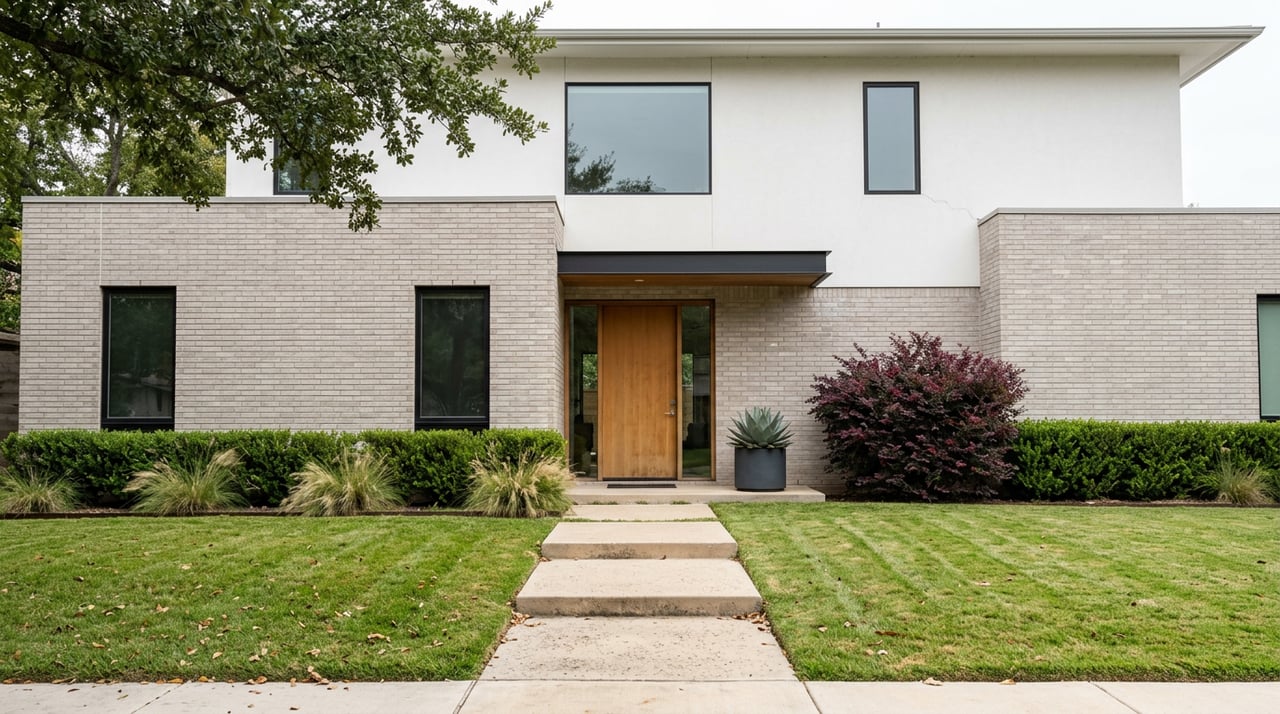
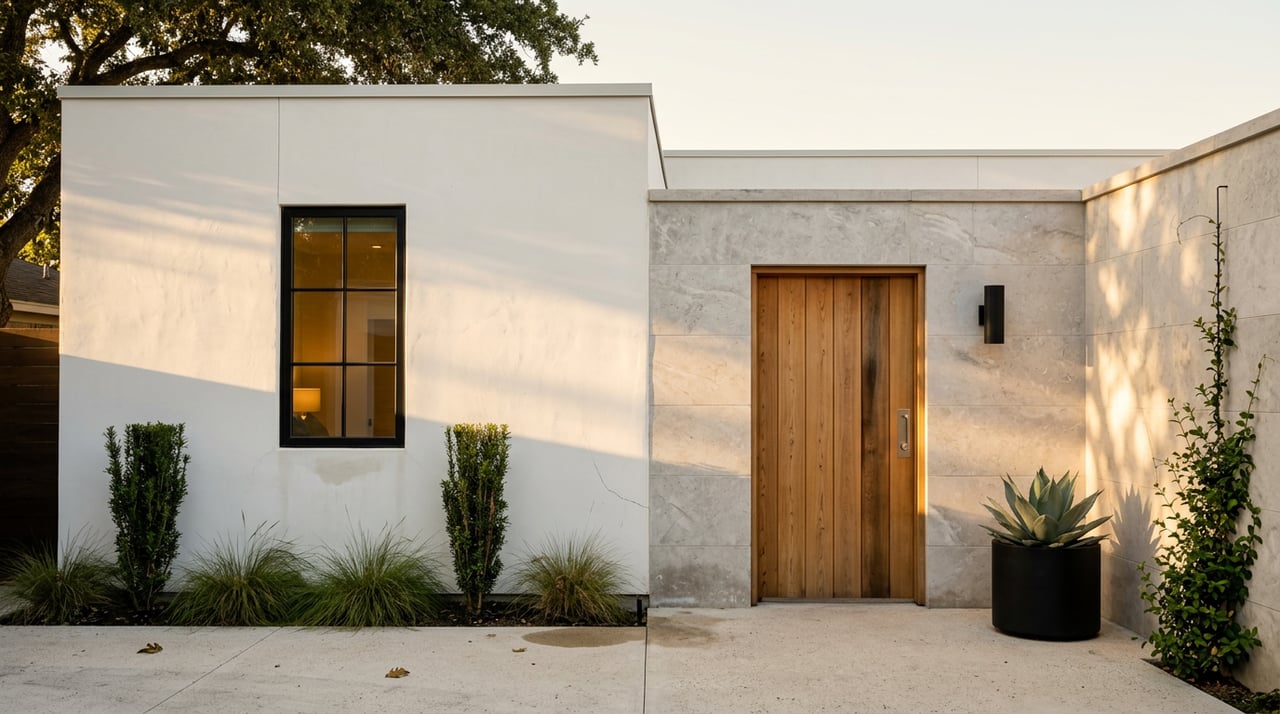
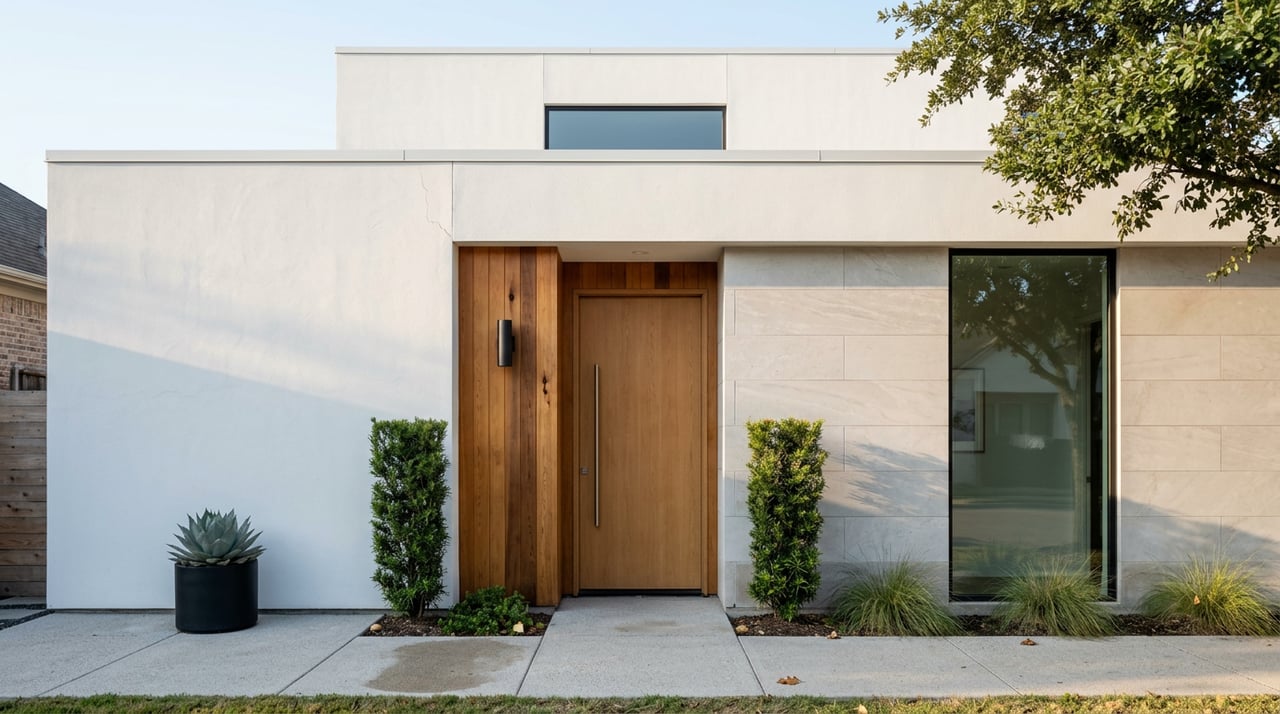
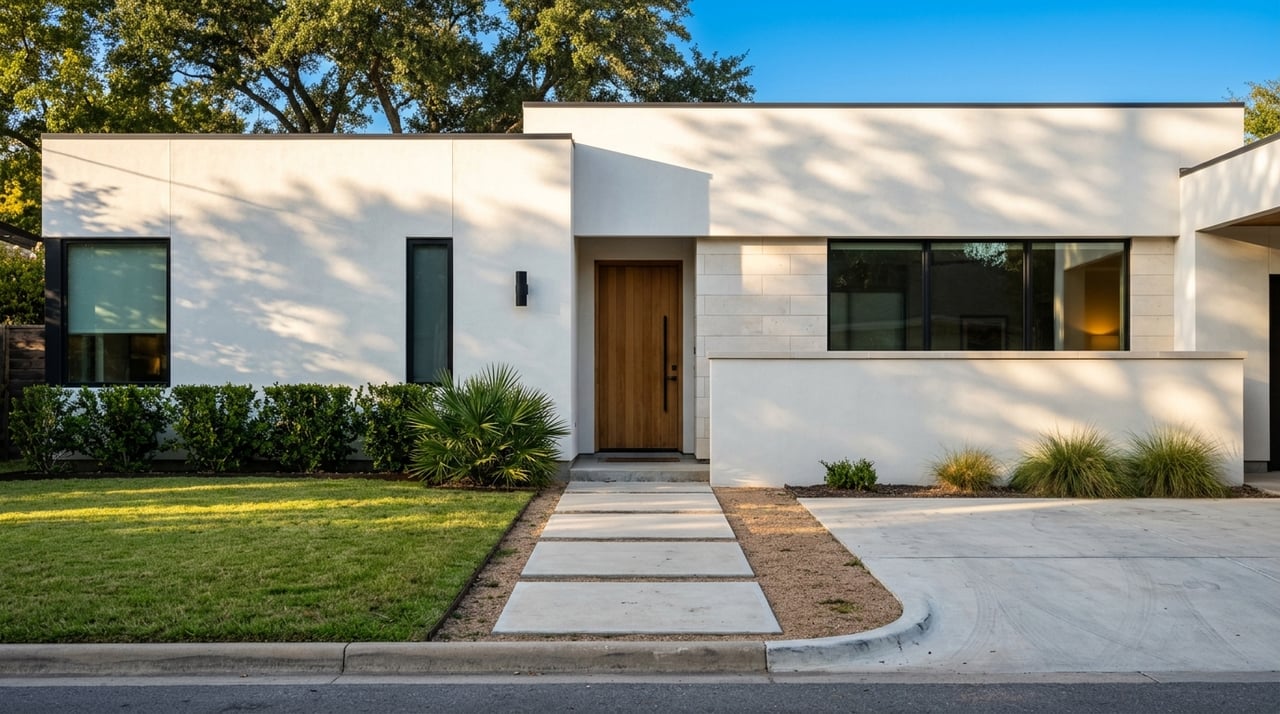
Afton Oaks is best understood as a neighborhood with both original character and ongoing change. Construction began in 1953, and the area still includes a notable concentration of 1950s ranch-style homes, while newer replacement homes and infill have also become part of the mix, based on the neighborhood history.
The City of Houston similarly describes the area as having quiet, tree-lined neighborhood pockets with housing stock primarily made up of 1950s ranch-style homes. For you as a buyer, that means Afton Oaks can offer different paths depending on what you want, whether that is an older home with original roots in the neighborhood or a newer property built within the area’s established framework.
Because exterior additions, renovations, and new construction are reviewed for compliance, the neighborhood tends to maintain a more consistent appearance over time. The deed restriction page explains that these rules are central to the neighborhood’s identity.
Deed Restrictions Shape Daily Life
In Afton Oaks, deed restrictions are not a side note. They are one of the main reasons the neighborhood feels cohesive and carefully maintained.
According to the official deed restriction information, exterior additions, renovations, and new construction must be reviewed for compliance. The City of Houston also notes that permit applicants must certify deed-restriction compliance, which reinforces how important these standards are in practice.
For many buyers, this structure is part of the appeal. It can support a more predictable residential environment, especially in a close-in location where development pressure might otherwise create a less consistent streetscape.
Location Near the Galleria
Afton Oaks is often described through its location, and for good reason. The neighborhood was laid out south of Westheimer, and the opening of Loop 610 in 1971 significantly improved access to the Galleria and West Houston, according to the history page.
Today, that translates into quick access to major destinations. The Galleria at Westheimer and Post Oak includes 400 stores and restaurants across 2.4 million square feet, making it one of the region’s biggest retail and dining hubs.
You are also close to River Oaks District, an open-air shopping and dining destination on Westheimer near the Galleria, and to the broader Highland Village retail area. This is a big part of Afton Oaks’ appeal: you can stay close to central Houston activity without living directly in the middle of it.
Shopping and Dining Access
For day-to-day convenience, Afton Oaks benefits from being near multiple well-known retail districts instead of relying on just one nearby center. That gives you flexibility whether you are running errands, meeting friends, or heading out for dinner.
The Highland Village neighborhood site notes that homes there sit beside the Highland Village Shopping Center, where it is often quicker to walk than drive to nearby restaurants, retailers, and boutiques. For Afton Oaks residents, that helps illustrate how close the neighborhood is to an established cluster of dining and shopping options.
This location advantage is one of the clearest reasons buyers consider Afton Oaks. You get strong access to Uptown conveniences while coming home to a more residential setting.
How Afton Oaks Compares Nearby
When buyers consider Afton Oaks, they often compare it to River Oaks or Highland Village. While all three areas benefit from close-in Houston locations, they offer different experiences.
Afton Oaks vs. River Oaks
River Oaks is the larger, older comparison point. The Texas State Historical Association describes River Oaks as a 1,100-acre residential garden suburb developed in the 1920s with a master plan, planted esplanades, rigid building codes, and centralized community control.
By contrast, Afton Oaks dates to 1951, is much smaller, and feels more like a compact Inner Loop residential enclave. Rather than estate-scale identity, it offers a more intimate single-family setting with a mix of ranch homes and newer infill.
Afton Oaks vs. Highland Village
Highland Village is different in another way. The official Highland Village site says it is a nonprofit HOA of 85 single-family homes located alongside the Highland Village Shopping Center.
Compared with that environment, Afton Oaks feels more purely residential and more secluded. Both neighborhoods are convenient, but Afton Oaks tends to read as the quieter option, with a stronger separation between home life and nearby commercial activity.
Who Afton Oaks May Suit Best
Afton Oaks may be a strong fit if you want an established Inner Loop neighborhood with single-family homes, mature trees, and fast access to Uptown destinations. It can especially appeal to buyers who want convenience without sacrificing a sense of residential calm.
You may also appreciate Afton Oaks if neighborhood structure matters to you. The active civic club, deed restrictions, landscaping maintenance, and patrol service all help reinforce the managed, well-kept environment described on the neighborhood landscaping page.
If your priority is a central Houston location with a more intimate scale than some nearby legacy neighborhoods, Afton Oaks offers a compelling middle ground. It trades estate-scale formality for a practical, tree-canopied residential experience minutes from the Galleria.
What to Keep in Mind as a Buyer
If you are considering Afton Oaks, it helps to look beyond location alone. Because the neighborhood includes both original homes and newer construction, your options may vary widely in style, age, and level of renovation.
It is also worth paying attention to deed restrictions and review requirements before you buy, especially if you are considering future updates. In a neighborhood where preservation and consistency matter, understanding those rules early can help you make a more confident decision.
The right guidance can make a big difference when you are evaluating a close-in neighborhood with this kind of long-standing identity. If you are exploring Afton Oaks or comparing it with other central Houston neighborhoods, The LaRose Kaileh Group can help you narrow your options with local insight and a concierge-level approach.
FAQs
What is Afton Oaks in Houston known for?
- Afton Oaks is known for being a deed-restricted Inner Loop neighborhood with mature trees, quiet residential streets, and a location between the Galleria and Highland Village.
How close is Afton Oaks to the Galleria?
- Afton Oaks is minutes from the Galleria area, with strong access tied to Westheimer and Loop 610, according to the neighborhood’s history and location information.
What types of homes are in Afton Oaks?
- Afton Oaks includes a mix of original 1950s ranch-style homes and newer replacement or infill homes within an established single-family neighborhood setting.
Are there deed restrictions in Afton Oaks?
- Yes. Afton Oaks has deed restrictions, and exterior additions, renovations, and new construction are reviewed for compliance.
How is Afton Oaks different from River Oaks?
- Afton Oaks is smaller, newer, and more intimate in scale, while River Oaks is a larger, older master-planned garden suburb with estate-scale identity.
Is Afton Oaks more residential than Highland Village?
- Yes. Based on the neighborhood descriptions in the research sources, Afton Oaks is generally more secluded and purely residential, while Highland Village is more closely tied to a shopping district.