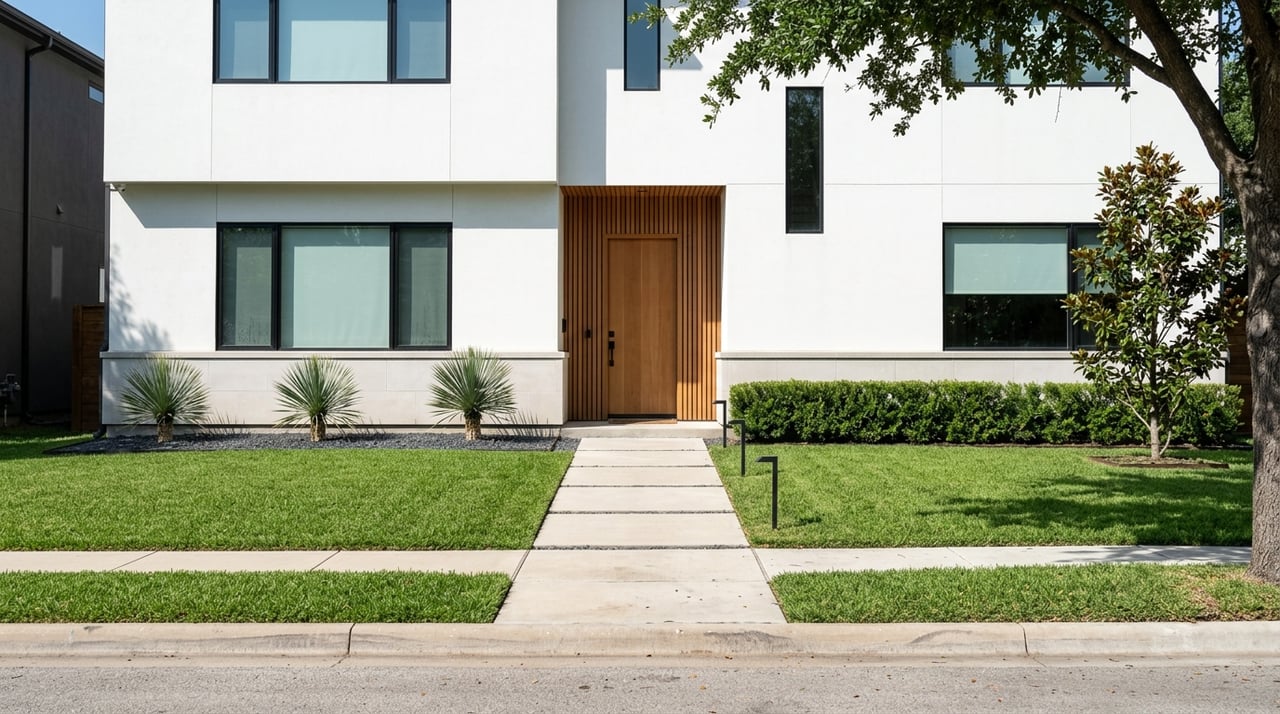
Buying in West University or nearby Southside Place can feel simple at first glance. The area is known for beautiful streets, established homes, and easy access to some of Houston’s biggest destinations, so it is easy to assume any block will work. But in this part of Harris County, small differences in school zoning, lot width, driveway layout, trees, and floodplain rules can shape both your day-to-day life and your long-term resale. If you want to buy with confidence, it helps to evaluate each address with care. Let’s dive in.
Why block-by-block analysis matters
West University Place describes itself as a small town with big-city access, minutes from downtown Houston, the Galleria, and the Texas Medical Center. The city also highlights its tree-lined streets, well-maintained homes, and expansive park system. That broad appeal is real, but it does not mean every property offers the same practical fit.
Southside Place adds another layer to your search because it is a separate incorporated city in Harris County, even though the USPS uses Houston for Southside Place addresses. In other words, two homes with similar mailing addresses may sit under different local rules and improvement plans. That is why serious buyers should look past the neighborhood label and study the exact parcel.
How to evaluate schools by address
Start with HISD School Navigator
If schools are part of your home search, the first step is simple: verify the exact address. Houston ISD says students are assigned to zoned schools by home address, and the district directs families to use School Navigator to identify the zoned elementary, middle, and high school. West University Elementary also tells families to verify the address before enrolling.
That matters because buyers often hear general statements about “West U schools” and assume every nearby home feeds to the same campuses. In practice, zoning should be confirmed for the specific property you are considering. A street name, a nearby landmark, or even a neighborhood reputation is not enough.
Know the main campus types
West University Elementary is a neighborhood school serving about 1,200 students from Pre-K through 5th grade. Its site says it ranked 5th statewide in 2024 to 2025 according to Children at Risk. For many buyers, that makes it an important part of the conversation, but it still needs to be confirmed by address.
For older students, Pershing Middle School is an HISD fine arts magnet school located in the West University area, and Lamar High School is an HISD IB World School. Those campus types can be part of the area’s appeal, especially for buyers planning ahead. Still, your best next step is always address-level verification and direct review of campus enrollment instructions.
Include property verification in school due diligence
West University Elementary’s enrollment page also notes that West University and Southside Place are single-family residences with enforced zoning ordinances. For buyers, that is a useful reminder that school due diligence is not just about district maps. It also overlaps with confirming the property itself, how it is classified, and whether it aligns with local rules.
How to read a street beyond curb appeal
Check convenience to daily destinations
Many buyers want to be close to Rice Village because it is the area’s main retail and walkability anchor. According to the official Rice Village press materials, the district is bounded by Kirby Drive, University Boulevard, Morningside Drive, and Times Boulevard. Homes closest to those edges usually offer the shortest walk into the district.
That said, convenience can change from one block to the next. A home may be near the Village on a map but feel different in daily use based on access routes, traffic patterns, and how often you plan to walk. If location lifestyle matters to you, it helps to compare a few specific blocks rather than assume all of West U or Southside Place feels the same.
Notice the age and mix of homes
West U began as a community of country homes, and its history notes early lots measuring 100 feet by 200 feet. Southside Place’s official history says bungalow construction was underway in 1925. Together, that history helps explain why you often see a mix of original homes, remodeled homes, and newer replacement construction instead of one consistent home style.
For a buyer, this matters because the look of a street may not tell the whole story about what can happen next door or over time. A charming older home on a mature block may sit near a larger newer build, while another street may preserve a more uniform feel. If future surroundings matter to you, study the full block, not just the house itself.
How to evaluate lots before you buy
Lot width can affect future plans
In West U, lot dimensions are more than a technical detail. The city’s zoning resources and GIS tools reinforce that parcels should be evaluated block by block. That is especially important if you are thinking about a future addition, new garage layout, pool, or eventual rebuild.
West U’s street-area ordinance says that on a building site under 60 feet wide, only one curb cut and one driveway are allowed along the front street line unless another section of the zoning ordinance allows otherwise. On a narrower lot, that can directly affect garage placement, front elevation design, and how easy the property may be to reconfigure later.
Narrow sites may have limited flexibility
City agenda materials also describe a narrow-site “3/7” exception framework for detached single-family building sites that are less than 55 feet wide and no more than 6,000 square feet, with alternate side setbacks. The practical takeaway is not that every narrow lot is a problem. It is that some smaller sites may still be workable, but the flexibility is limited and should be confirmed with the city before closing.
If you are buying with a renovation or custom-build mindset, this is where experienced guidance matters. Two lots with similar square footage can offer very different design options depending on width, setbacks, access, and site constraints.
Trees can shape what fits on the site
On wooded blocks, mature trees may be part of the home’s character and privacy. They can also affect what you can build. West U says the city requires tree-preservation plans with construction activities and requires evaluation and replacement of healthy trees.
That means a pool, driveway change, addition, or new construction footprint may be shaped by tree location. If you love a heavily wooded lot, make sure you also understand how those trees could influence future site planning.
How to review flood risk and drainage
Check the parcel, not the reputation
Flood diligence in this area should happen at the parcel level. FEMA says its Flood Map Service Center is the official source for National Flood Insurance Program flood-hazard information and flood-hazard determinations. That makes it a key tool for checking the specific property rather than relying on a neighborhood’s general reputation.
This step is especially important for older homes, corner lots, and properties you may renovate or rebuild. A well-known street or desirable block does not replace a map review, elevation documentation, and a practical look at how water may move across the site.
Understand local floodplain rules
West U says all development in the floodplain requires a permit, and new or substantially improved structures must be built at least 2 feet above base flood elevation. The city also notes that this higher standard does not eliminate flooding risk. That is a useful reality check for buyers comparing older homes with newer construction.
Southside Place’s city information also references drainage improvement and street reconstruction work, including work along Edloe, Harper, and Auden, plus planned residential drainage improvements along Auden. The city homepage also references a flood-prevention ordinance for residential construction. Those details reinforce that drainage is an active local issue and one worth reviewing closely before you buy.
Ask the right flood questions
A smart flood review usually includes:
- Checking the FEMA map for the exact parcel
- Asking for available elevation documentation
- Reviewing whether the property is in a floodplain
- Comparing finished floor height and site drainage to local requirements
- Looking closely at older homes and future reconstruction candidates
A practical home tour checklist
When you tour homes in West University or Southside Place, keep your notes focused on the address, the block, and the lot. That approach gives you a clearer picture than relying on the neighborhood name alone.
Use this short checklist as you compare properties:
- Verify school zoning by exact address in HISD School Navigator
- Confirm whether the home is in West University Place or Southside Place
- Check how close the block is to Rice Village boundaries if walkability matters
- Review lot width, driveway placement, and garage access
- Look at tree placement if you may add on, build a pool, or remodel
- Review flood maps, elevation details, and local drainage context
- Ask whether the lot may be affected by narrow-site or other zoning constraints
What this means for your buying strategy
In West U and Southside Place, the right home is not just about square footage or finishes. It is also about whether the address supports your daily routine, your school goals, your future design plans, and your comfort with site-specific risk. The strongest purchases usually come from buyers who compare blocks carefully and ask detailed questions early.
That is particularly true in a market where lot potential and resale can be shaped by details that are easy to miss online. A polished listing may show the house well, but it will not always reveal curb-cut limits, tree constraints, school verification steps, or floodplain implications.
If you want a more precise way to evaluate homes in this part of Houston, working with a team that understands premium micro-markets can help you move faster and with more clarity. For discreet, high-touch guidance on buying in West University or Southside Place, connect with The LaRose Kaileh Group.
FAQs
How do you confirm school zoning for a West University home?
- Use the exact property address in HISD School Navigator, then confirm enrollment instructions with the campus directly.
What should you check about a West U lot before buying?
- Review lot width, driveway and curb-cut limits, tree locations, and whether any narrow-site zoning framework may affect future plans.
How can you tell if a Southside Place address is actually in a separate city?
- Southside Place is a separate incorporated city in Harris County, even though USPS uses Houston for mailing addresses, so you should verify the property’s municipality directly.
Why does block location matter near Rice Village?
- Homes closest to Kirby Drive, University Boulevard, Morningside Drive, and Times Boulevard generally have the shortest walk into Rice Village, so convenience can vary by block.
How should you evaluate flood risk for a West University or Southside Place property?
- Check the exact parcel on the FEMA flood map, ask for elevation documentation, and review local floodplain and drainage considerations before closing.