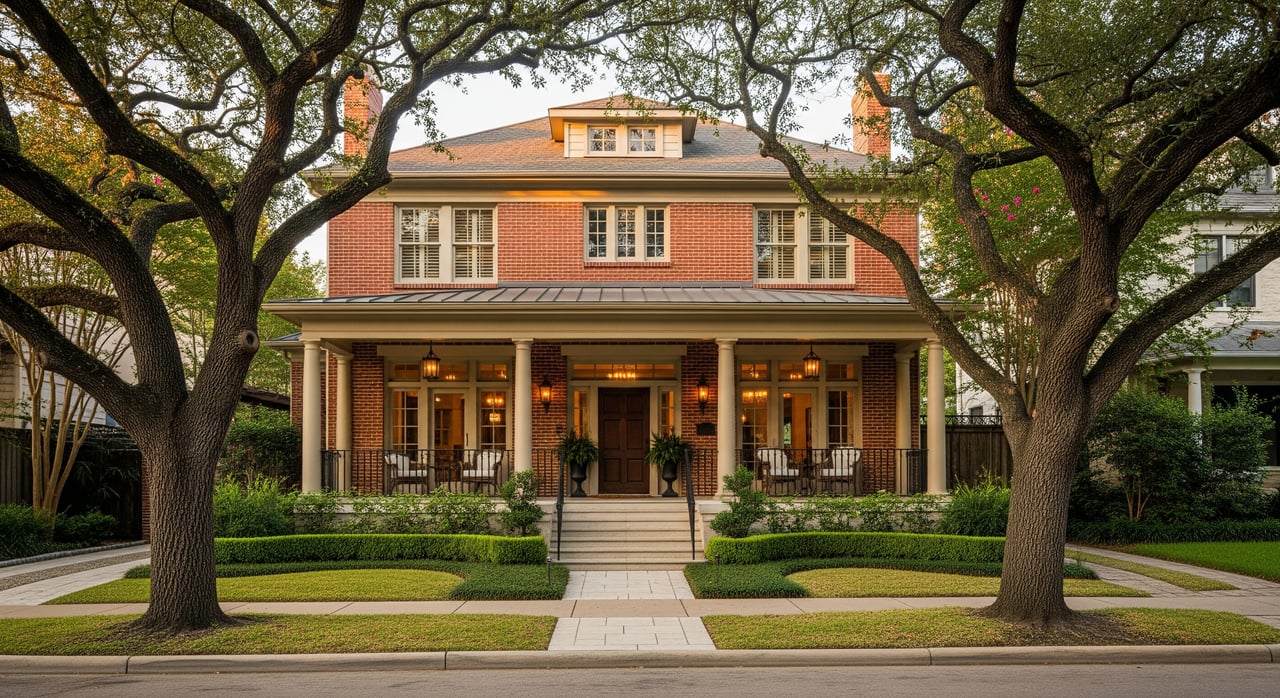
Is there a right month to list in West University? If you want the most eyes on your home, timing matters. In a compact, high-demand neighborhood like West University and the Southside area, the right launch window paired with polished presentation can mean more showings and stronger offers. In this guide, you’ll get a clear seasonal strategy, a practical 8–10 week prep plan, and the key market metrics to watch so you can list with confidence. Let’s dive in.
Why timing matters in West University
West University is close to downtown Houston, the Texas Medical Center and Rice University. Buyer interest here is consistently strong, and inventory often runs lower than the broader Harris County market. That means well-prepared listings can see solid activity, especially when launched at the right time.
Seasonal patterns still shape buyer behavior. Late winter to spring typically sees the most buyer traffic, with a second uptick in early fall. Before you finalize a go-live date, confirm current local numbers from HAR/MLS for days on market, list-to-sale price ratios and months of inventory.
Best seasons to list
Spring (February–May)
- Pros: Highest buyer traffic in many markets; many households aim to move before the next school year; historically favorable list-to-sale outcomes.
- Cons: More competing listings; you need standout presentation and competitive pricing.
- West U lens: Strong qualified demand and quick comparisons to other renovated or luxury homes. Preparation is key.
Summer (June–August)
- Pros: School-age family moves and employer relocations keep activity going; landscaping and curb appeal can shine.
- Cons: Overall buyer activity can dip as people travel; decisions may take longer.
- West U lens: Works for well-staged, price-competitive listings; expect potentially longer days on market than spring.
Early fall (September–October)
- Pros: Motivated buyers re-enter after summer; typically fewer competing listings than spring.
- Cons: Shorter window before the holidays; some buyers aim to settle by year-end.
- West U lens: A strong secondary window if you need extra prep time or miss spring.
Late fall and winter (November–January)
- Pros: Fewer listings on market; motivated buyers dominate.
- Cons: Lower overall traffic; holiday schedules can slow inspections and repairs.
- West U lens: Best when you need to move quickly or want to target serious buyers, understanding showings may be fewer.
Your 8–10 week pre-listing timeline
A thoughtful prep period helps you launch with maximum appeal and premium marketing. Use this week-by-week plan as a working checklist.
Weeks 1–2: Plan and prioritize
- Meet with your listing agent for a pre-listing consultation and neighborhood CMA.
- Choose a target launch window (spring or early fall) based on current DOM, list-to-sale ratios and months of inventory.
- Consider a pre-listing inspection to reveal and prioritize repairs.
- Start a deep declutter. Edit closets, storage and personal items; arrange off-site storage if needed.
- Create a staging plan and get estimates. Decide which spaces to emphasize, such as the kitchen, primary suite and main living areas.
Weeks 3–4: Repairs and refresh
- Complete priority fixes from inspection: plumbing leaks, electrical safety issues, roof or attic concerns.
- Cosmetic updates: fresh neutral paint, grout/caulk refreshes, updated hardware and lighting as needed.
- Service HVAC, replace filters and service the water heater.
- Elevate curb appeal: lawn service, mulch, pruning, power washing, and simple accents like potted plants or updated house numbers.
- Confirm any termite/pest treatments according to local custom or lender expectations.
Weeks 5–6: Staging and media prep
- Implement staging with rented or reconfigured furniture to fit target buyers.
- Book a professional real estate photographer. Plan for interior/exterior images, floor plans, drone (if allowed), twilight shots and a 3D tour if budget allows.
- Build a property info packet: room dimensions, upgrades, warranties, HOA documents (if applicable) and average utilities.
- Prepare disclosures and gather permits or receipts for recent renovations.
Weeks 7–8: Pre-market and launch
- If allowed by local MLS, use “Coming Soon” and broker previews to build early interest.
- Complete your final walkthrough and photo/video shoot.
- Go live in the MLS with a polished description, high-resolution photos, floor plan and virtual tour.
- Activate targeted social ads, email local agents and prepare open house and broker open materials.
- For maximum weekend traffic, consider releasing late in the week, such as Thursday evening or Friday morning, following local best practices.
First 1–2 weeks after going live
- Track showing feedback closely and adjust quickly when needed.
- Decide in advance if you prefer an offer review window (for example 3–7 days) to create urgency, or accept offers as they come based on signals from the market.
Metrics to check before you pick a date
Ask your agent for these current West University and Southside indicators from HAR/MLS:
- Days on Market (30-, 90- and 365-day views).
- Median/average sale price and the list-to-sale price ratio.
- Inventory and Months of Inventory (MOI): under 3 months often favors sellers; 3–6 months is balanced; over 6 months leans to buyers.
- New pendings vs new listings: a rising pending-to-new ratio suggests strengthening demand.
- Price band performance: compare under, mid and upper-tier segments to see where your home fits best.
- Buyer profile signals: share of owner-occupants vs investors, relocation trends, contingent sales and financing vs all-cash.
Pricing and launch strategy
- Spring launch: If inventory is lean and list-to-sale ratios are strong, consider pricing at or slightly above market. Presentation should be flawless, and a short offer review window may help concentrate demand.
- Summer launch: Use competitive pricing and consider incentives, such as credits for minor repairs. Photography and staging do extra work to stand out.
- Early fall launch: Price based on current metrics. With fewer competing listings than spring, your home can shine if it is move-in ready.
- Shifting metrics: If DOM or inventory rises, build in contingency plans. Adjust list price or offer terms like a flexible closing to attract the right buyers.
Signals to adjust your plan
- Inventory and MOI: Rising supply may favor a more competitive price or a delayed launch after additional prep.
- Demand surge: If pendings rise faster than new listings, consider moving your timeline forward to capture momentum.
- Interest rates: Rate changes affect purchasing power. Revisit pricing if rates move meaningfully.
- Weather: Heavy rains can limit showings and exterior work. Align your curb appeal schedule with the forecast.
- Local developments: Major employer moves or campus changes can shift buyer demographics and urgency.
Post-launch playbook for exposure
- Keep showing windows flexible in the first two weeks to accommodate qualified buyers.
- Host a broker open and your first public open promptly after launch, if appropriate for your property.
- Review feedback and traffic weekly. Fine-tune staging, copy and photography sequence online if needed.
Next steps
Your best listing date depends on your home’s condition, your timeline and this year’s local metrics. If you are 8–10 weeks out, you have time to prepare for a spring or early fall launch that prioritizes maximum exposure and strong outcomes. For a private, data-driven plan tailored to West University, connect with The LaRose Kaileh Group.
FAQs
What is the best month to list in West University?
- Late winter to spring often brings the largest buyer pool, with a secondary window in early fall. Confirm current HAR/MLS data to pinpoint the best month this year.
How long should I plan to prepare before listing?
- An 8–10 week pre-listing timeline supports meaningful repairs, staging and high-end media. Faster timelines are possible for lighter prep.
Will a spring listing guarantee multiple offers?
- No. Results depend on pricing, condition, marketing and market factors like rates and inventory. Spring increases the odds of higher buyer traffic.
Should I order a pre-listing inspection for my West U home?
- It can reduce buyer uncertainty, help you prioritize visible fixes and streamline negotiations. Discuss scope and strategy with your agent.
How important are professional photos and 3D tours?
- Very important. Most buyers start online, and high-quality images, floor plans and virtual tours can significantly boost showings and perceived value.