Shopping high‑end homes in The Woodlands and unsure if your mortgage will be considered jumbo? You are not alone. Larger purchases often trigger different rules, bigger documentation asks, and extra timeline steps. This guide breaks down what makes a loan “jumbo,” what lenders typically expect, and how to plan your purchase with The Woodlands’ local costs in mind. Let’s dive in.
Jumbo loan basics in The Woodlands
A jumbo mortgage is a loan amount that exceeds the Federal Housing Finance Agency’s conforming limit for the county and property type. In The Woodlands, you will use the Montgomery County limit to determine whether your loan is jumbo. Because these loans are not purchased by Fannie Mae or Freddie Mac, underwriting is usually more detailed and reserve requirements can be higher.
You can confirm the current county limit by checking the official FHFA county loan limits. The FHFA updates limits annually, and amounts vary by unit count.
- See the latest FHFA county loan limits on the FHFA website.
- For general mortgage‑shopping guidance and your rights as a borrower, review the CFPB guide to mortgage shopping.
When a loan becomes jumbo
- Find the current FHFA conforming limit for Montgomery County and your property’s unit count.
- Compare your expected loan amount to that limit. If it is above the limit, your mortgage will be a jumbo loan.
- If you are close to the limit, talk with your lender about options. Small changes in down payment can shift a loan from jumbo to conforming.
Typical jumbo requirements
While each lender sets its own guidelines, you can expect the following ranges to be common for well‑qualified buyers.
Down payment and equity
- Many jumbo programs allow 10 to 20 percent down. For the most competitive pricing, plan for 20 percent.
- Second homes and investment properties often require 20 to 30 percent or more down.
Credit score and DTI
- Strong credit is important. Lenders often look for FICO scores in the 700 to 740 range for best pricing. Some accept mid‑600s with stricter terms.
- Debt‑to‑income caps typically fall between 43 and 50 percent, depending on credit, assets, and overall profile.
Reserves and documentation
- Expect 6 to 12 months of reserves, measured as principal, interest, taxes, and insurance (PITI). Larger loans and complex profiles may require more.
- Approved reserves can include cash, brokerage accounts, and certain retirement accounts subject to withdrawal rules.
- Documentation is deeper than conforming loans. Bank statements, tax returns, K‑1s, and asset statements are common, and asset‑based underwriting may be available for high‑net‑worth buyers with complex income.
Rates and loan types
Jumbo rates are competitive and shift with market demand, your credit profile, down payment, loan size, and property type. Some periods favor conforming pricing, and other times jumbo pricing is on par or slightly lower.
You will see both fixed‑rate and adjustable‑rate options. ARMs can offer a lower initial rate but carry the risk of future adjustments. Non‑QM or specialty options like bank‑statement and interest‑only programs exist for unique income situations, usually with higher rates and stricter terms.
Appraisals and property factors
- Most jumbo loans require a full appraisal. Very high‑value homes may need two appraisals.
- Unique or custom properties can influence valuation and pricing. Waterfront, golf‑course, or acreage homes may require specialized appraisers and extra review.
- HOA dues are counted in your monthly obligations, which can impact approval and pricing.
Local cost factors to plan for
Texas has no state income tax, and local budgets rely heavily on property taxes. That means taxes can be a larger part of your monthly payment.
- Work property taxes into your upfront planning and reserve calculations.
- Review the property’s history and current valuation through the Montgomery County Appraisal District before you write an offer.
- Ask your lender how taxes and HOA dues will flow into your PITI and debt‑to‑income ratio.
Quick check: Do you need a jumbo?
Use this simple process before you shop or as you structure your offer:
- Check the current FHFA conforming limit for Montgomery County on the FHFA website.
- Estimate your loan amount. Subtract your planned down payment from the purchase price.
- Compare the numbers. If your loan amount is above the county limit, you will need a jumbo loan or another non‑conforming solution.
Example scenarios
These examples are for planning only. Your lender will price and underwrite based on your full profile.
Example A: $1,200,000 purchase
- Down payment: 20 percent = $240,000
- Estimated loan: $960,000 → This is likely a jumbo if the county limit is below $960,000.
- Estimated PITI: $6,500 per month → 6 months of reserves equals $39,000.
- Target credit profile: 720+ for competitive pricing.
Example B: $900,000 purchase
- Down payment: 10 percent = $90,000
- Estimated loan: $810,000 → May be jumbo depending on the current county limit.
- Lower down payments often come with higher reserve asks, tighter underwriting, or a rate premium.
Lender overlays to expect
Even if you meet broad investor guidelines, individual lenders add their own overlays. These may adjust minimum credit scores, DTI caps, reserve amounts, or documentation. If you have complex income, a portfolio lender or specialty program may be a better fit. The right match depends on your profile and timeline.
Timeline and closing tips
Jumbo loans can take longer to close than conforming loans because of added underwriting and appraisal steps. Build in an extra 1 to 2 weeks when possible.
- Order the appraisal early and prepare full documentation upfront.
- If you are buying before selling, talk with your lender about carrying two mortgages or using a bridge solution. Costs and requirements are higher, so align your contract dates with your financing plan.
- Confirm how property taxes and HOA dues will be escrowed so there are no surprises at closing.
How we support your purchase
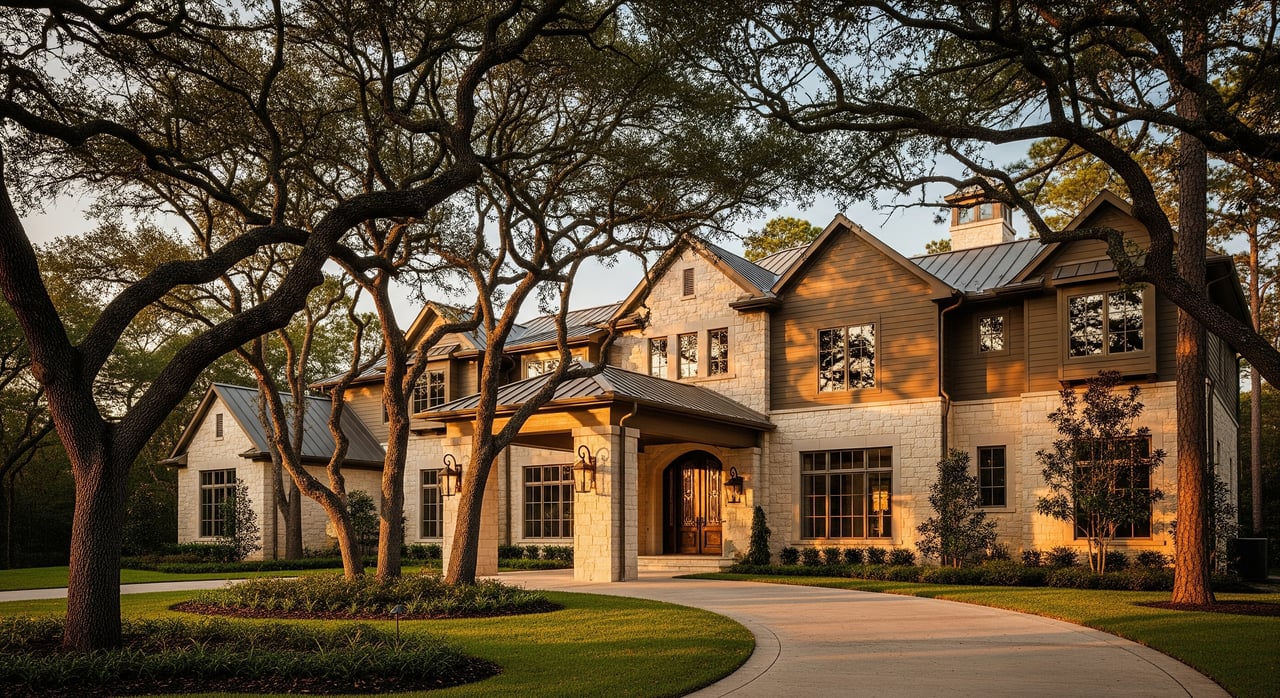
Buying a luxury home in The Woodlands should feel focused and efficient. You will get clear guidance on market value, contract terms that support your financing timeline, and a coordinated path from offer through closing. Our team pairs micro‑market expertise with a concierge approach so you can move with confidence.
Ready to explore upper‑end homes in The Woodlands and plan your financing strategy with precision? Connect with The LaRose Kaileh Group for a private consultation.
FAQs
What is a jumbo loan in Montgomery County?
- A jumbo loan is any mortgage amount above the FHFA conforming limit for Montgomery County and your property’s unit count. Check the latest limit on the FHFA website.
How much down payment do jumbo loans require?
- Many jumbo options allow 10 to 20 percent down. For the most competitive pricing and fewer overlays, plan for 20 percent. Second homes and investments often need more.
Are jumbo mortgage rates always higher?
- Not always. Jumbo rates can be close to or even below conforming at times. Your pricing depends on credit score, down payment, loan size, property type, and lender.
How many reserves do I need for a jumbo?
- Expect 6 to 12 months of PITI in liquid reserves, with higher amounts common for larger loans or complex profiles. Your lender will specify the exact amount.
What documentation is typical for jumbo approval?
- Expect full income and asset verification. That can include W‑2s, tax returns, K‑1s, bank and investment statements, plus proof of reserves. Asset‑based or bank‑statement options may be available.
How do property taxes affect my jumbo approval?
- Property taxes increase your monthly PITI, which impacts your DTI and reserve needs. Review valuations and history with the Montgomery County Appraisal District and share details with your lender early.