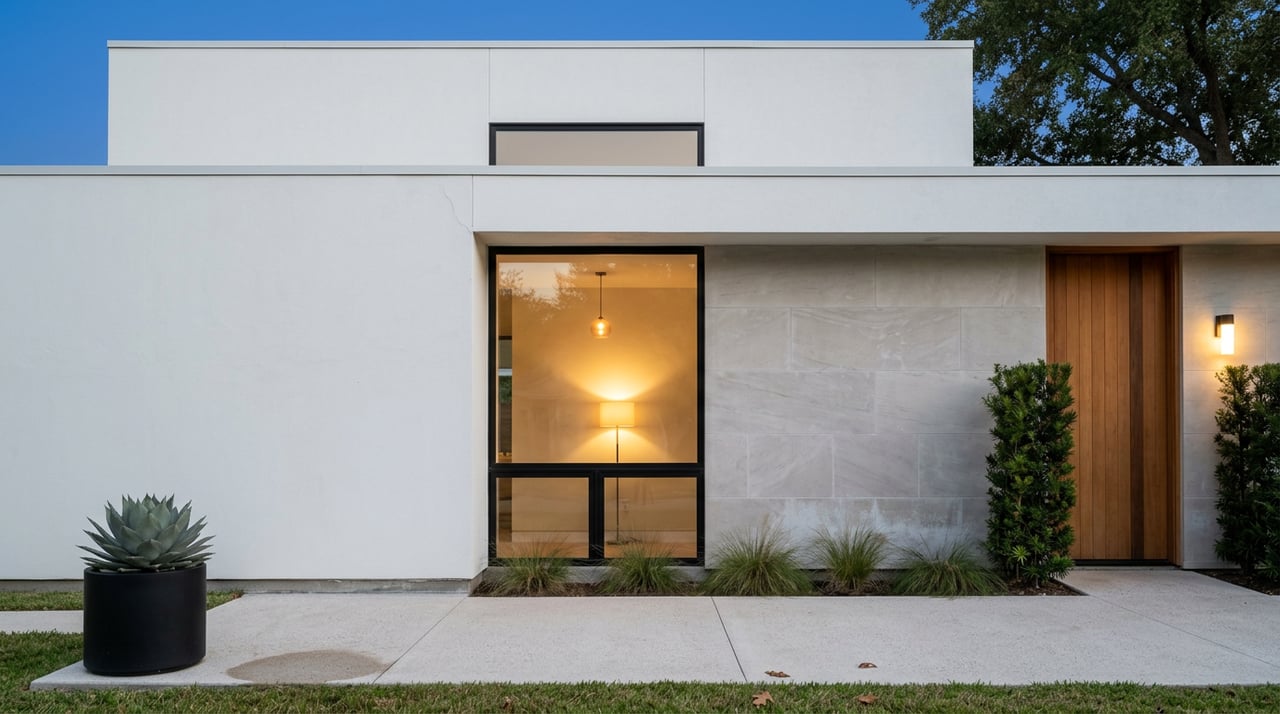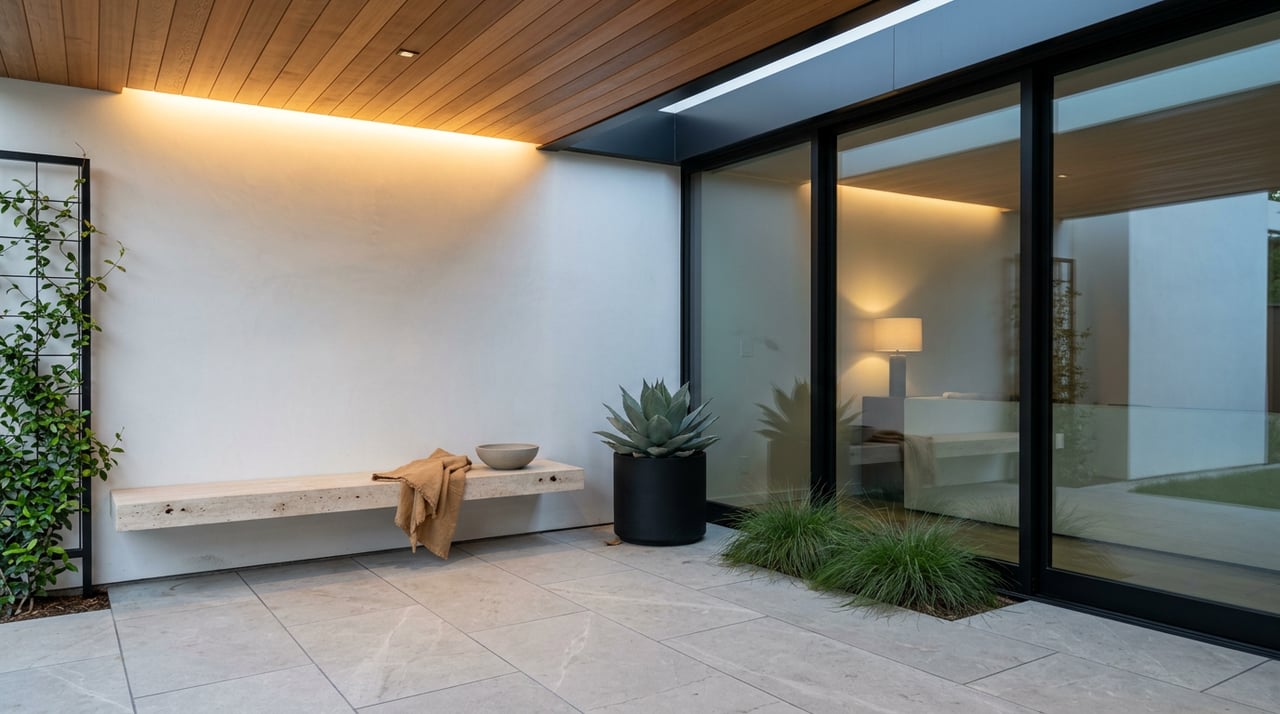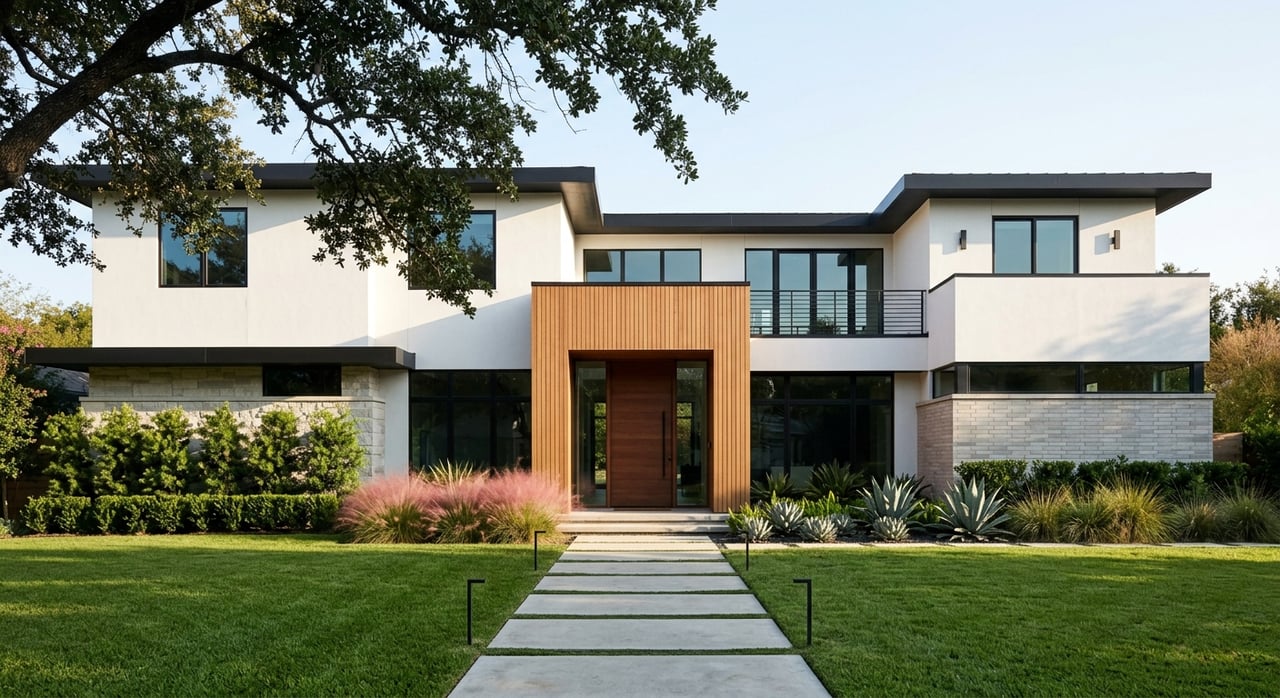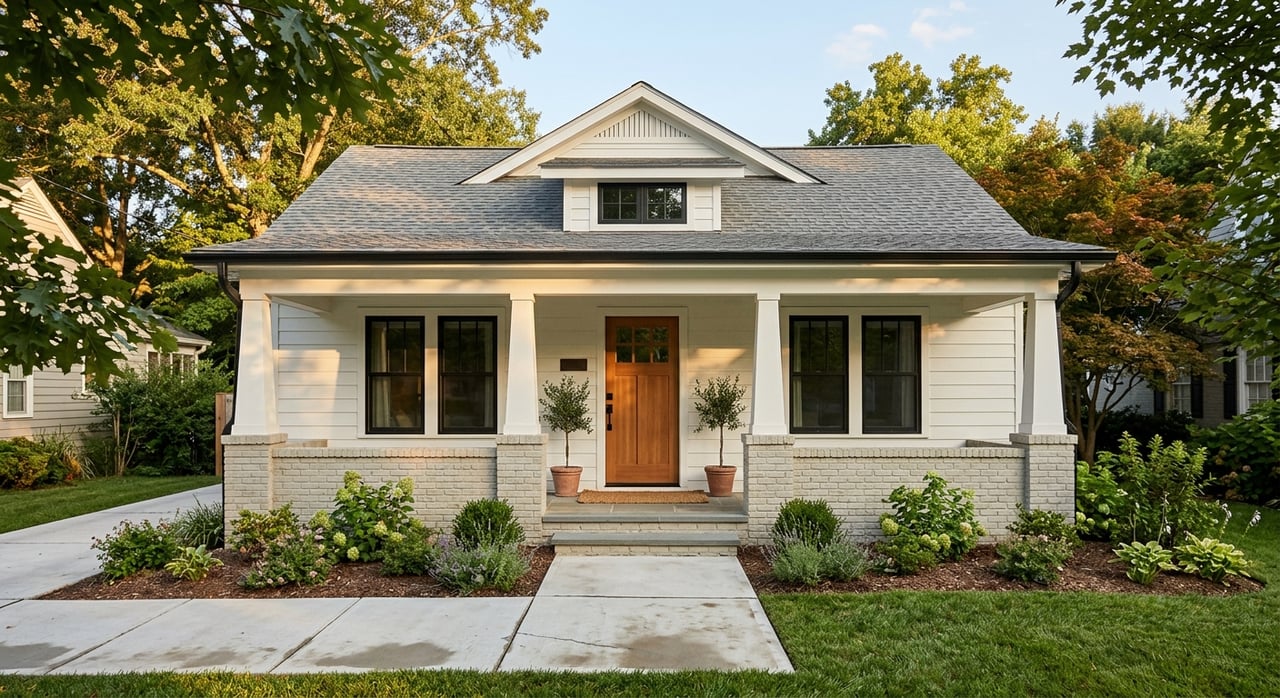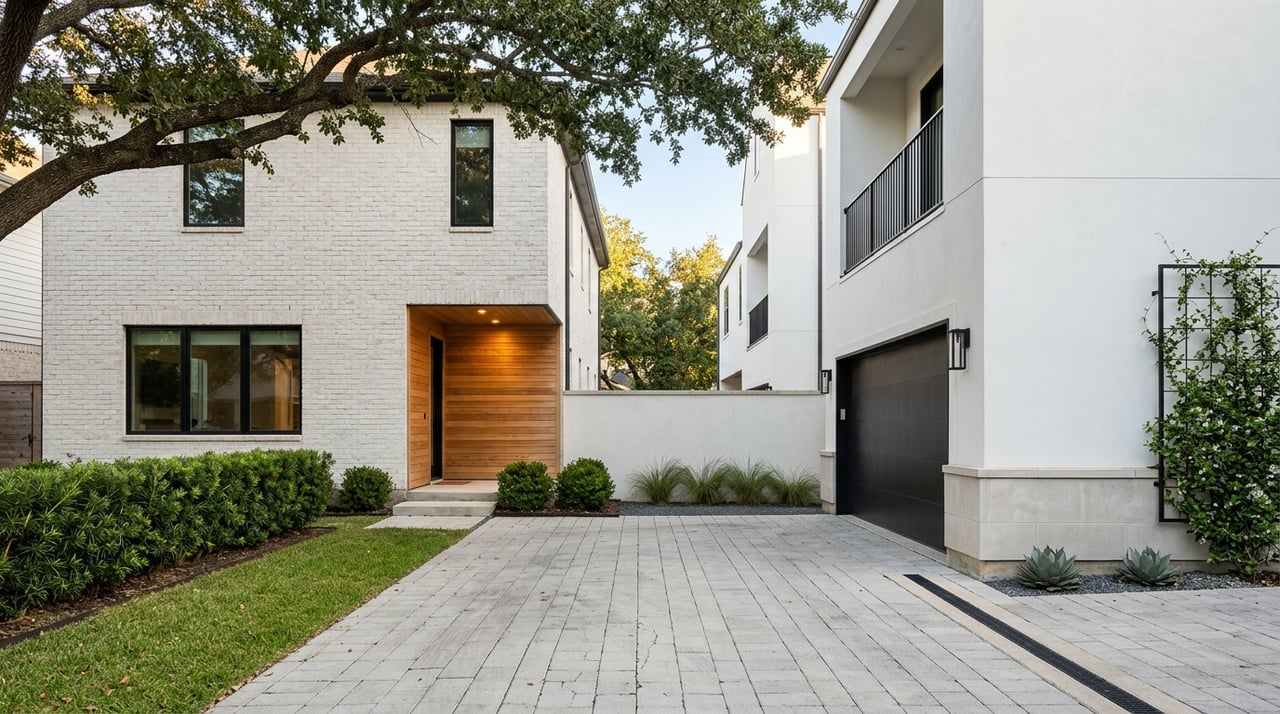
Trying to choose between a townhome and a single-family home in Montrose? You are not alone. In one of Houston’s most established and fast-changing neighborhoods, the right choice often comes down to how you want to live day to day, not just what looks best on paper. If you understand how ownership, maintenance, lot size, parking, and local redevelopment affect each option, you can make a more confident decision. Let’s dive in.
Why this choice feels different in Montrose
Montrose is a dense, mixed housing market with a wide range of property types. City data for Neartown/Montrose shows 22,372 housing units, with about 24.7% detached single-unit homes, 14.5% attached single-unit homes, and 60.7% in buildings with two or more units. The area also has a density of 10,324 people per square mile, which shapes how land is used and what buyers can realistically expect.
That matters because Montrose is not a typical suburban decision between a house with a big yard and a townhome with no outdoor space. Older homes, contemporary infill construction, condominiums, and attached homes all exist side by side. The city also notes that growth pressure continues to reshape the neighborhood as older homes are replaced by newer high-end homes, condos, and apartments.
Houston’s development rules add another layer. The city has no zoning, so property use and redevelopment are shaped by subdivision ordinances, deed restrictions, and minimum lot size tools. In Montrose, that means the details of a specific block, lot, or association can matter just as much as the property type itself.
What a single-family home means here
In Texas, fee simple is the default estate in land. In practical terms, that usually means a detached single-family owner has more direct control over the home and lot, subject to any recorded restrictions that may apply. For many buyers, that added control is the main appeal.
In Montrose, HAR data shows 481 single-family properties with a median size of 2,145 square feet, a median lot size of 3,925 square feet, a median year built of 1972, and a median sold price per square foot of $295.14. That gives you a useful baseline, but it does not mean every detached home comes with a large lot or traditional layout.
In fact, recent sold examples show detached homes on lots of roughly 1,597 to 3,000 square feet. So if you are picturing a detached home as a guaranteed way to get a big yard, Montrose may surprise you. You may gain ownership flexibility, but not necessarily a lot of extra land.
Pros of a Montrose single-family home
- More direct control over the lot and exterior changes
- Greater flexibility for future improvements, where restrictions allow
- A stronger fit if you value privacy, separation from neighbors, or dedicated outdoor space
- No need to rely on an association for every exterior decision
Tradeoffs to expect
- More upkeep responsibility stays with you
- Yard, exterior, and structural maintenance are usually more hands-on
- Historic district guidance or deed restrictions may affect additions, parking, or design changes
- Detached does not always mean spacious in Montrose
What a townhome means in Montrose
A townhome can be appealing in Montrose, but it is important to know that “townhome” is not one uniform legal category in Texas. State law refers to property owners’ associations and condominium unit owners’ associations, and each community’s governing documents control restrictions, procedures, and maintenance obligations. That is why buyers should confirm the deed, plat, and HOA documents instead of relying only on the marketing label.
In practical terms, Montrose townhomes often offer a more urban footprint. Recent sold examples show attached homes on lots roughly 1,319 to 2,838 square feet, often with 3- to 4-story layouts and interior sizes ranging from 2,084 to 3,134 square feet. That means you may get substantial interior living space even on a smaller site.
For many buyers, the biggest appeal is convenience. A townhome often trades yard flexibility and some parking freedom for lower exterior upkeep and a more lock-and-leave lifestyle. In a neighborhood shaped by infill and redevelopment, that can be a strong fit for buyers who prioritize location and ease over lot control.
Pros of a Montrose townhome
- Often less exterior upkeep than a detached home
- Efficient use of land in a central, urban setting
- Can offer generous interior square footage on a compact footprint
- Often a good fit for buyers who travel often or want lower day-to-day maintenance demands
Tradeoffs to expect
- HOA or condo association rules can shape how you use and maintain the property
- Parking and guest parking may be more limited
- Outdoor space is often smaller or more constrained
- The maintenance split varies by community, so you need to review documents carefully
Compare lifestyle before price alone
Montrose buyers often do best when they start with lifestyle fit. If you focus only on headline price, you may miss the bigger issue, which is how the property will function for you over time. In this neighborhood, your daily routine and long-term plans should lead the decision.
Ask yourself a few practical questions:
- How much exterior maintenance do you want to handle yourself?
- Do you want more say over future renovations or additions?
- How important is private outdoor space?
- How often do you travel or need a lock-and-leave setup?
- What kind of parking do you need for your household and guests?
If you want more autonomy over the lot, exterior, and long-term changes, a single-family home is usually the stronger fit. If you want less exterior upkeep and a more urban, efficient footprint, a townhome often makes more sense.
How parking, lot size, and historic rules matter
In Montrose, these details can change the value of each option quickly. Some detached homes sit on compact lots, while some attached homes offer sizable interiors but limited guest parking or outdoor space. That is why the simple label of “house” or “townhome” does not tell the whole story.
Historic context matters too. The city describes Neartown/Montrose as one of Houston’s oldest and most historic communities, with six designated historic districts. In areas such as First Montrose Commons, city design guidance favors detached garages or carports in the rear half of the lot, side driveways, and 20-foot front setbacks on most blocks.
If you are considering a home in one of these pockets, your plans for parking, additions, or exterior changes may be affected. That does not make one option better than the other, but it does mean your review process should be more detailed before you commit.
What current market data suggests
Montrose is not a market where one property type automatically wins. HAR’s February 2026 snapshot describes Montrose as a balanced market with 5.0 months of inventory, 43.2 average days on market, and a $926,203 median sold price. That points to a market where buyers should weigh fit, maintenance, and ownership structure carefully.
Townhome and condo pricing has shown strong movement, but with more volatility. In HAR’s sold-data sample, the townhouse and condo median sold price moved from $428,000 in February 2024 to $562,000 in February 2026, a 31.3% increase. At the same time, the sample size was smaller and thinner, with only 7 townhome or condo sales in February 2026 versus 18 single-family sales, and median days on market of 75 for townhome or condo properties compared with 33 for single-family.
That means smaller lots do not automatically mean weaker resale. It also means you should be cautious about broad conclusions from a thinner segment. In Montrose, resale strength depends heavily on the specific property, ownership structure, condition, parking, and location within the neighborhood.
A simple way to decide
If you are stuck between the two, use this framework.
Choose a single-family home if you want:
- More control over the home and lot
- Better potential for private outdoor space
- More flexibility for future changes, where allowed
- A detached living experience with less dependence on association rules
Choose a townhome if you want:
- Lower exterior upkeep in many cases
- A more lock-and-leave lifestyle
- Strong interior space on a compact footprint
- A property that fits Montrose’s more urban infill pattern
The right answer usually comes down to what you want to own and manage. In Montrose, the real question is often not “Which is better?” but “Which tradeoffs match your lifestyle best?”
A thoughtful purchase in Montrose starts with the details. If you want guidance on evaluating lot control, HOA structure, parking, redevelopment context, and resale positioning, The LaRose Kaileh Group can help you compare your options with a local, concierge-level approach.
FAQs
Is a townhome or single-family home better for resale in Montrose?
- Neither is automatically better. Recent Montrose data shows strong price growth for townhome and condo properties, but that segment is smaller and more volatile than single-family, so resale depends more on the individual property and its features.
Do Montrose single-family homes always have larger yards?
- No. Recent sold examples show detached homes on lots as small as roughly 1,597 to 3,000 square feet, so a single-family home in Montrose may still have limited outdoor space.
Do Montrose townhomes always include less maintenance?
- Not always. The maintenance split depends on the governing documents for that specific association, so you should review what the HOA or condo association actually maintains.
Can historic rules affect a Montrose home purchase?
- Yes. In historic Montrose areas, city guidance can affect features such as garage placement, driveways, setbacks, and the way changes to a property are approached.
Is Montrose mostly single-family housing?
- No. City data shows a mixed housing stock, with only about 24.7% detached single-unit homes, 14.5% attached single-unit homes, and 60.7% in buildings with two or more units.
What matters most when choosing between a townhome and single-family home in Montrose?
- The biggest factors are usually lot control, maintenance responsibility, parking, outdoor space, and how well the property fits your day-to-day lifestyle in a dense urban neighborhood.