Torn between the character of a Heights craftsman and the convenience of a sleek new build? You are not alone. Many Greater Heights move-up buyers love the tree-lined streets and porches, yet want modern layouts, efficient systems and low maintenance. This guide breaks down the real tradeoffs so you can decide with confidence. Let’s dive in.
Historic vs. new: lifestyle and design
Charm and character
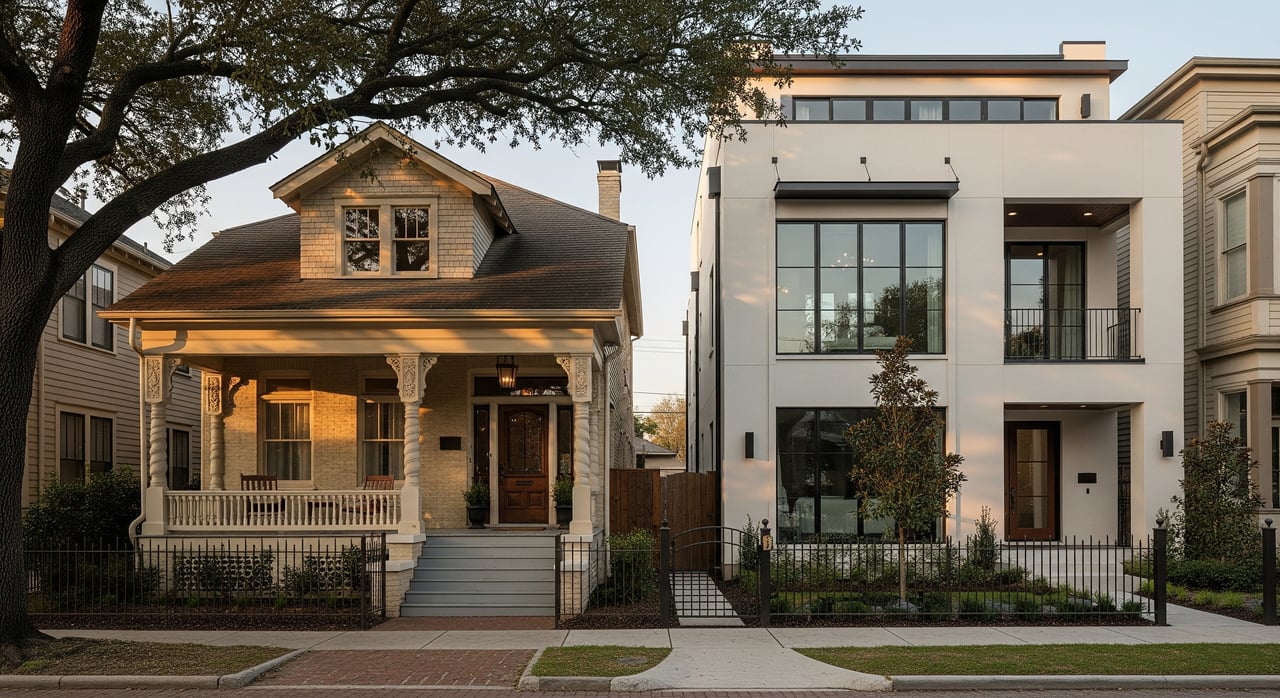
Historic homes in The Heights often feature welcoming front porches, tapered columns, exposed rafters and original wood siding or brick. Inside, you may find detailed moldings, hardwood floors and built-ins that add a sense of history. These homes orient toward the street and encourage a neighborly, porch-forward lifestyle.
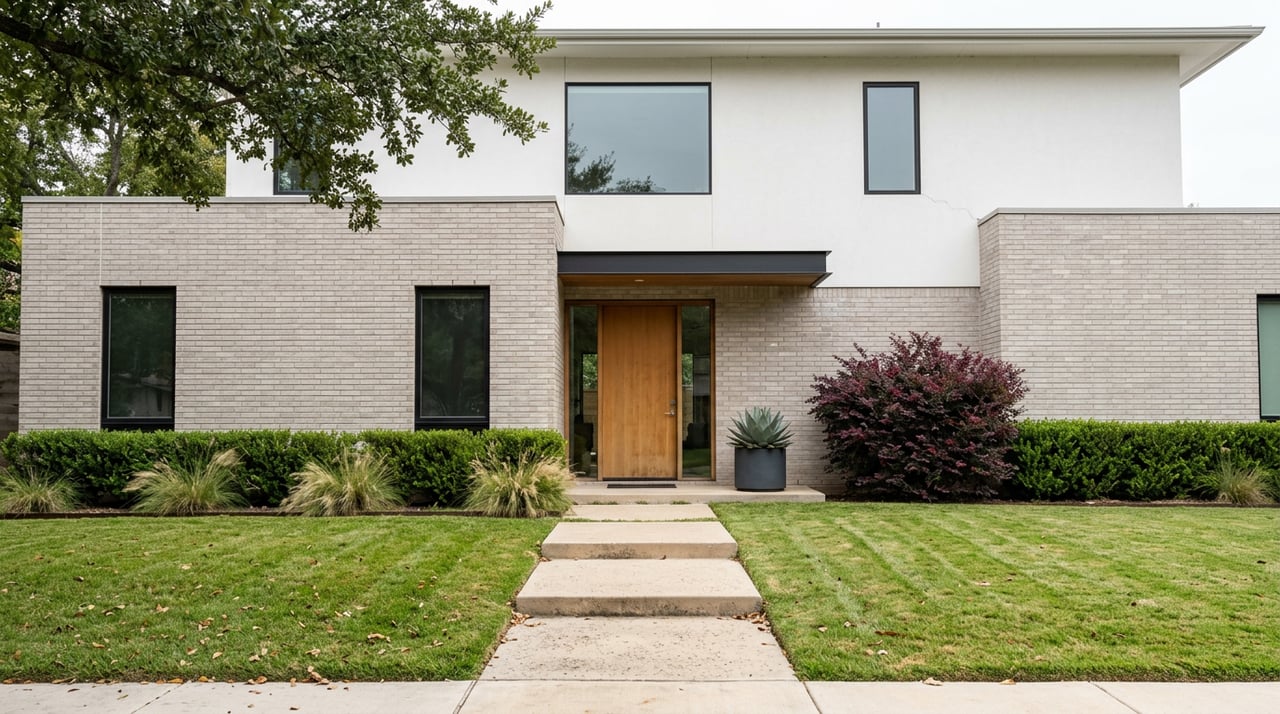
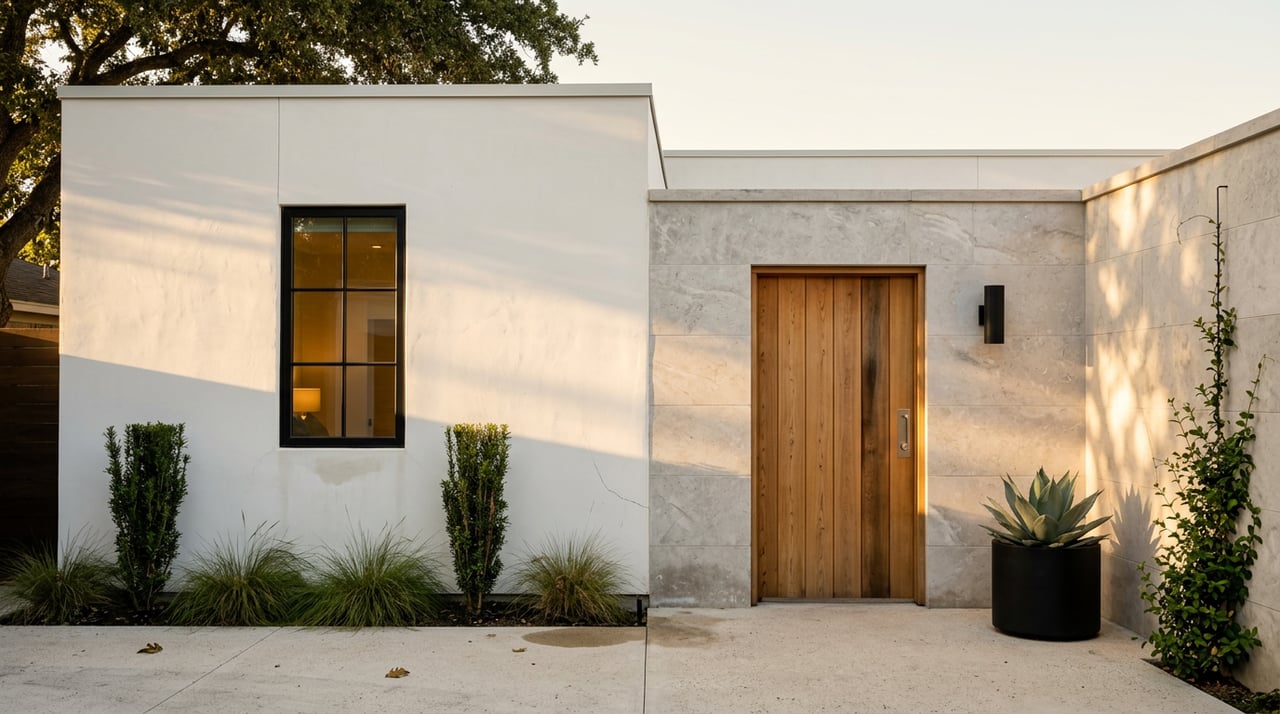
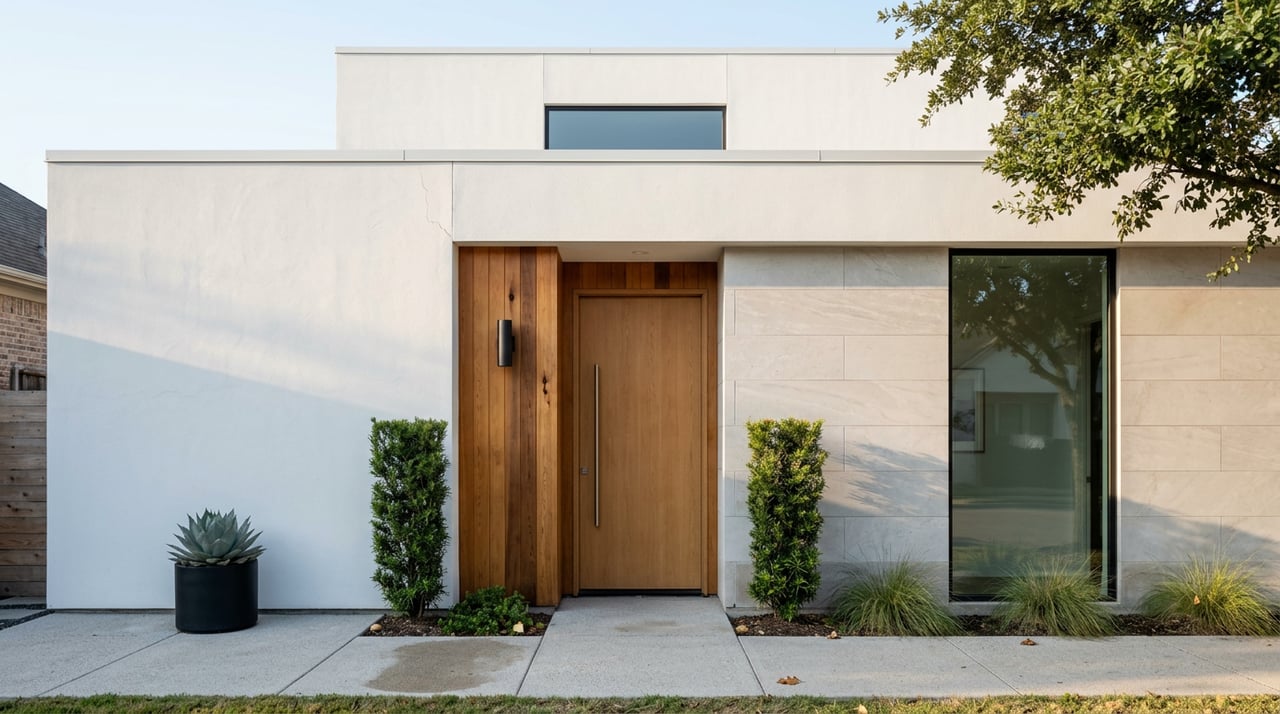
New construction leans modern. You will see larger second stories, contemporary facades and taller ceilings. Interiors often favor open kitchens, spacious primary suites and integrated storage. If you want a move-in ready feel with consistent finishes, a new build usually delivers it.
Daily living and plans
Older floor plans tend to be more compartmentalized. That can mean cozy rooms and defined spaces, but fewer en-suite baths and less direct connection from kitchen to living areas. Some historic homes have been sensitively updated, which can offer the best of both worlds.
New builds typically prioritize flow. Think open-plan living, generous islands, walk-in pantries and large closets. If you host often or prefer one main gathering space, this layout usually fits.
Lot, yard and parking
Many original Heights lots were platted at modest widths, often around 40 to 50 feet, with depths near 100 to 125 feet in older pockets. That historic pattern supports front porches and walkability but can limit backyard depth. Infill homes often maximize square footage by building up or extending toward the rear, which can reduce yard size and privacy.
Before you fall in love, verify lot dimensions and setbacks. You can confirm parcel size and history through the Harris County Appraisal District, and your agent can help you review city plats and setbacks for buildability.
Maintenance and hidden costs
Foundations and soil
Houston’s expansive clay soils can shift with moisture changes. Older homes may sit on piers or shallow footings. Newer homes often use slab-on-grade or deeper foundations. If you notice cracks, sloping floors or prior repair notes, plan for a structural engineer’s opinion.
Electrical and plumbing
In older properties, look for legacy wiring or panels that may need upgrading. Plumbing can include galvanized or other outdated materials. Repiping and electrical updates add cost and time. New builds usually offer modern wiring, service capacity and PEX or copper plumbing.
Roof and exterior
Ask about roof age, flashing and siding condition. Historic porches are beautiful but can need regular attention. Newer roofs and exterior systems should require less near-term maintenance, especially if you are still within a builder warranty period.
HVAC and energy
New builds typically include higher-efficiency HVAC and better insulation. Historic homes may have older units or ductwork that could benefit from replacement. Ask for service records and remaining useful life.
Pests and wood
Houston’s climate supports termites and wood-destroying insects. Older structures with more exposed wood can need ongoing vigilance. A dedicated inspection is wise for any property.
Windows and materials
Original windows and millwork add value and charm, though repair can be specialized. Preserving authentic features can be a selling point, yet it requires skilled trades. For perspective on historic stewardship, the National Trust for Historic Preservation offers useful guidance.
Quick inspection checklist
- Foundation: cracks, drainage, signs of movement
- Roof and exterior: shingles, flashing, soffits and porch structure
- Electrical: service size, panel condition, evidence of legacy wiring
- Plumbing: pipe materials and a sewer camera scope
- HVAC: system age, efficiency and service history
- Termites: inspection and treatment records
- Windows and doors: operation and condition of originals versus replacements
- Prior water issues: stains, replaced subflooring, or disclosures
For older homes, also review potential lead paint issues and safe renovation practices using the EPA’s guidance.
Rules that shape what you can change
Historic districts and approvals
Parts of The Heights fall within local historic districts. Exterior changes visible from the street, including façades, rooflines, porches or demolition, may require design review and a Certificate of Appropriateness. Start early with the City of Houston Planning & Development to understand what is allowed and the review process.
Deed restrictions and setbacks
Many Heights subdivisions have deed restrictions that regulate exterior changes, uses and fences. City setback and lot coverage standards also apply. Your agent can help you review neighborhood guidance, and your title and survey will confirm restrictions.
Plan for timelines
Design review, permits and any variances can add weeks or months to a project. The upside is neighborhood character protection, which can help resale. Build review and timeline expectations into your plan upfront.
Flood, elevation and insurance
Houston has a long flood history, and micro-topography matters. Some blocks near bayous have seen water during major storms. Do property-specific due diligence rather than relying only on general maps.
Smart steps include:
- Review the property’s FEMA Flood Insurance Rate Map status via the FEMA flood map portal.
- Check local studies and drainage information with the Harris County Flood Control District.
- Ask for seller disclosures and any prior claims. An elevation certificate can clarify insurance needs.
If a property lies in a mapped floodplain, lenders may require flood insurance. Underwriters can also request surveys or elevation certificates for homes near flood sources.
Market and resale
The Heights attracts steady buyer interest for its location, walkability and access to shops and restaurants. Well-kept historic homes often command a premium for authenticity, original features and street appeal. High-quality new builds draw buyers who want larger floor plans, energy performance and low maintenance.
Appraisers compare your home to nearby recent sales. For a significantly renovated historic home or a very large new build, appraisers may need broader comparables and adjustments. If you plan improvements, review how projects typically impact value using resources from the National Association of REALTORS and the Remodeling Cost vs. Value report. In The Heights, careful restoration that honors character can be a strong resale strategy.
To study neighborhood-level sales trends and time on market, your agent can reference local data from the Houston Association of REALTORS.
Financing and inspections
Financing paths
- New construction: conventional financing or construction-to-permanent loans for ground-up projects. Builders sometimes offer incentives.
- Older homes: conventional financing or a renovation loan if you plan substantial work. Options can include products such as Fannie Mae’s HomeStyle and FHA 203(k). Renovation loans require bids and scopes, and they can take longer to close.
Inspections that matter
Schedule a full home inspection. Add specialty inspections as needed: structural engineer for foundation concerns, termite inspection, HVAC evaluation and a sewer camera scope. For historic properties, choose inspectors and contractors familiar with older construction methods.
Negotiation and timelines
- For older homes: include inspection contingencies so you can negotiate repairs or credits after you understand the scope.
- For new builds: review builder warranties and complete a detailed pre-closing walk-through so items can be addressed under warranty.
- Budget extra time for historic design review, permits and utility work if you plan changes.
How to decide
Start with your must-haves, then weigh tradeoffs you can live with. Use these prompts to focus your choice:
- Which matters more to you: porch-forward street life and original character, or open-plan living with large suites and closets?
- Do you want a larger yard and more privacy, or is walkability and a front porch lifestyle the priority?
- Are you ready for ongoing stewardship of historic features, or do you prefer lower maintenance in the near term?
- Will preservation review or deed restrictions affect your renovation plans and timing?
- How do flood risk, elevation and insurance weigh into your decision for a specific block?
Questions to ask the seller or listing agent:
- How old are the roof, HVAC, water heater and major systems? Any warranties?
- Has the property had foundation work? Are records available?
- Has the home ever flooded, and are there insurance claims to review?
- Is the property in a local historic district or subject to deed restrictions? What approvals were needed for past changes?
- Are there known environmental hazards such as lead paint?
Callouts to keep in mind:
- If you love character but need modern comfort, seek restored homes with updated mechanical systems and a documented scope of work.
- If you prioritize low maintenance and predictable timelines, recent infill or new construction is often a better fit.
Take a curated tour in The Heights
Seeing both options back-to-back makes the decision clear. We can line up a restored craftsman and a recently built infill home so you can compare layout, yard and systems in one visit. Ready to explore Greater Heights with a focused, concierge approach? Contact The LaRose Kaileh Group to request a private consultation and schedule your curated tour.
FAQs
What defines a historic Heights home versus a new build?
- Historic homes often feature original porches, millwork and compartmentalized layouts, while new builds emphasize open plans, larger suites and modern systems.
How do Houston soils affect Heights foundations?
- Expansive clays can cause movement; older pier systems and newer slabs both warrant careful inspection and, if needed, a structural engineer’s review.
Do Heights historic districts limit renovations?
- Many exterior changes visible from the street require review and approval; check the City of Houston Planning & Development early for requirements and timelines.
How can I check flood risk for a specific property?
- Review the FEMA flood map portal, consult the Harris County Flood Control District and request seller disclosures and any elevation certificate.
What financing options fit an older Heights home with projects?
- Consider conventional loans or renovation products that fund improvements; these require contractor bids, scopes and can take longer to close.
What should I prioritize during a Heights home inspection?
- Focus on foundation and drainage, roof and exterior, electrical and plumbing, HVAC, termite risk, window condition and any signs of prior water damage.